
Introduction
If your metal paint keeps peeling, bubbling or chipping quickly, poor surface prep is usually the culprit. Many DIY restorers and metal painters skip proper cleaning and end up redoing their projects over and over. Sandblasting metal before painting is the gold-standard method to strip contaminants and build a textured surface that paint can grip. This guide covers how pre-paint sandblasting works, what pitfalls to avoid, and how to get professional results at home with the right sandblasting tools.
Main Problem
Most amateur painters struggle with weak paint bonding on metal. Rust, old paint residue, oil, grease and oxidation sit on the metal surface. Paint applied directly over these impurities cannot stick firmly. Within months, the coating starts to flake, bubble or peel off. Hand sanding only scratches the top layer; it cannot reach tiny pits and crevices thoroughly. Uneven hand-sanded surfaces also lead to inconsistent paint finish, wasting your time, paint and money on rework.
Technical Explanation
Sandblasting uses pressurized air to shoot fine abrasive media at the metal workpiece. The abrasive particles impact the metal surface, removing rust, old coatings and surface grime. More importantly, blasting creates micro-indentations, called an anchor profile. This rough microscopic texture locks paint or powder coating into the metal. Without this profile, paint only sits on top of smooth metal and peels easily. The depth of the anchor profile depends on your abrasive type and blasting pressure. For standard paint jobs, a shallow, uniform profile delivers the best long-term coating performance.
Comparison/Table
Prep Method Removes Rust & Old Paint Creates Uniform Anchor Profile Time Required Best For
Sandblasting ✅ Excellent ✅ Consistent Fast Auto parts, metal frames, heavy metal work
Hand Sanding ⚠️ Partial ❌ Uneven Very Slow Small, light touch-ups
Chemical Stripper ✅ Good ❌ No texture Moderate Thin coatings, no heavy rust
Buying Guide / Solution
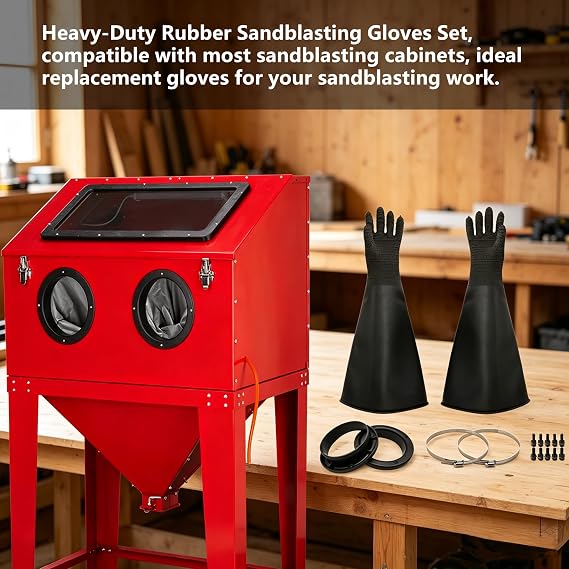
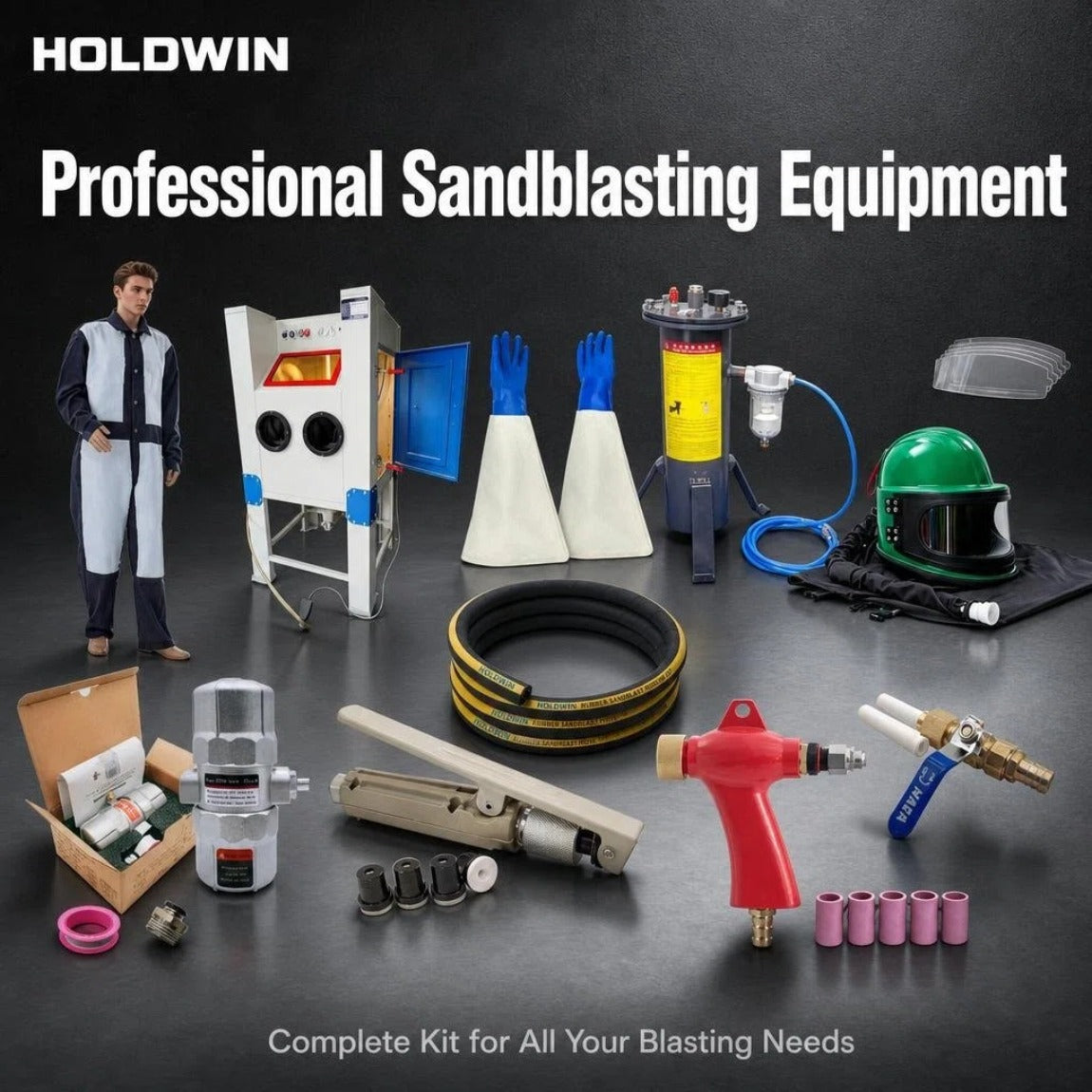
Choose the right sandblasting setup for metal painting prep. For DIY workshops, a portable HOLDWIN sandblasting gun works perfectly for metal panels and small parts. Pair it with durable carbide or boron carbide nozzles for long service life. Select your abrasive wisely: aluminum oxide works great for steel rust removal; glass bead media creates a smoother finish for lighter metal cleaning. Always wear a sandblasting helmet and protective gloves. Keep proper blasting distance and air pressure, and blast evenly across the surface. Once blasting finishes, wipe off dust immediately and apply paint within the recommended time window to prevent re-oxidation.
Conclusion
Sandblasting metal before painting is not an optional extra step — it is the key to a durable, professional metal paint finish. It fully clears surface contaminants and builds the critical anchor profile for strong paint adhesion. Skip shortcuts on surface prep, and your metal coating will fail prematurely. With the HOLDWIN sandblasting equipment, you can complete metal prep quickly and get reliable results for your next painting project.
Explore HOLDWIN Sandblasting Tools
Ready to start your metal prep project? Browse our full collection of HOLDWIN sandblasting guns, nozzles and protective gear to get your metal ready for painting.


Leave a comment
This site is protected by hCaptcha and the hCaptcha Privacy Policy and Terms of Service apply.