
If you’ve spent any real time sandblasting, you already know this:
the abrasive matters as much as the machine.

The wrong media can damage surfaces, clog your system, create a mess that’s hard to clean, or even put your health at risk. That’s why more operators—especially those working with delicate or finished parts—are turning to walnut shell blasting media.
Here’s how experienced sandblaster users think about abrasive selection, and where walnut shell media solves problems others create.
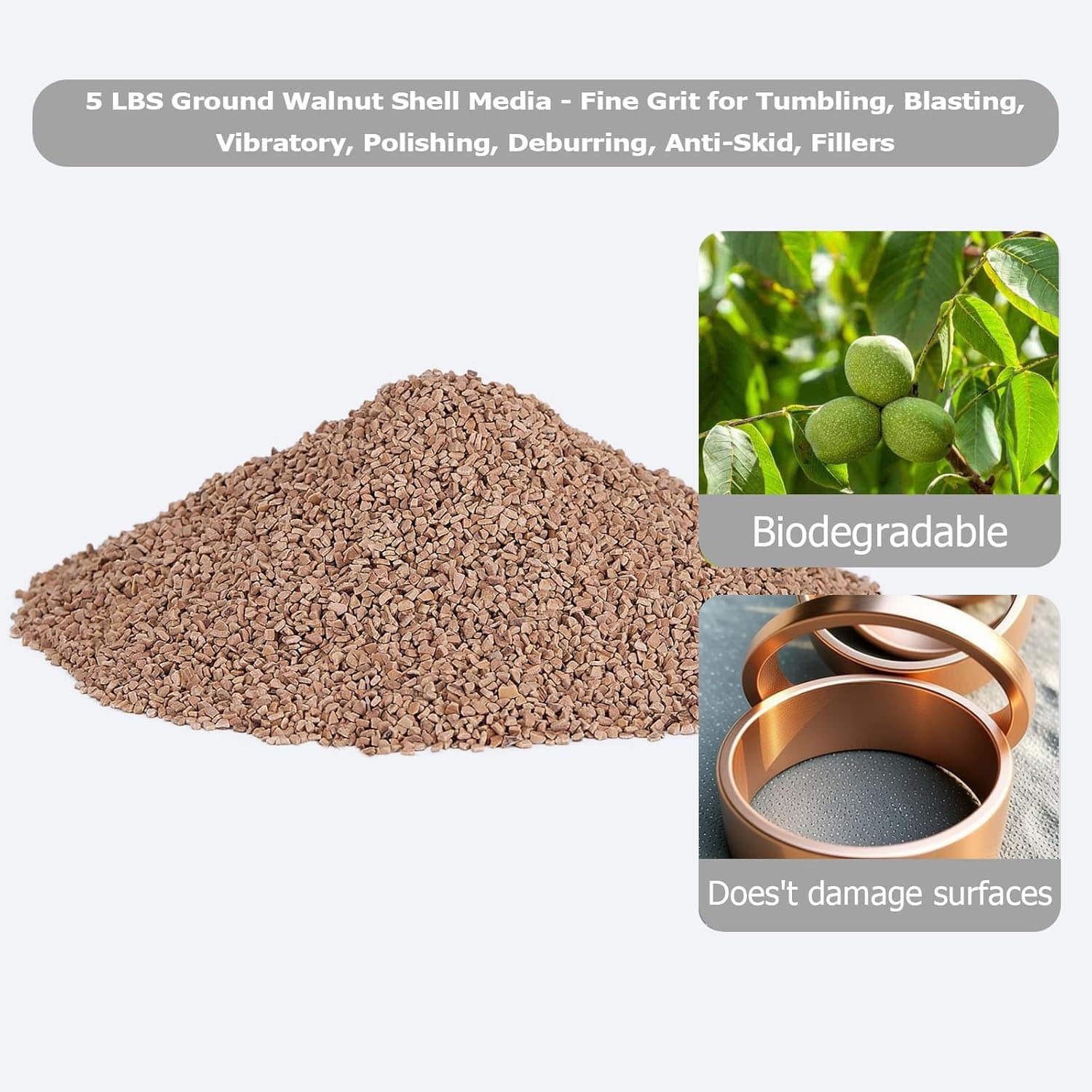
10–18 Mesh Natural Walnut Shell Media – 5 lbs Abrasive for Deburring,
1. Surface Protection Comes First
Pain point: “I just need to clean it—why is the surface ruined?”
Traditional abrasives like steel grit or aluminum oxide are aggressive by design. They remove material fast, but they don’t know when to stop.
Walnut shell media works differently.
-
Cleans coatings, carbon, grease, and oxidation
-
Does not etch, warp, or profile the base material
-
Ideal for aluminum, brass, wood, plastics, composites, and soft metals
If your job requires cleaning without dimensional change, walnut shell is a safer choice than mineral abrasives.
2. Dust Control & Operator Safety
Pain point: “The dust gets everywhere—and breathing it feels wrong.”
Anyone who’s blasted mineral abrasives for hours knows the dust fatigue is real.
Walnut shell media offers:
-
Lower free-silica risk
-
Less airborne dust compared to hard abrasives
-
Reduced rebound impact inside blast cabinets
For operators working indoors or in cabinets, this translates to:
-
Better visibility
-
Less respiratory stress
-
A more tolerable workday
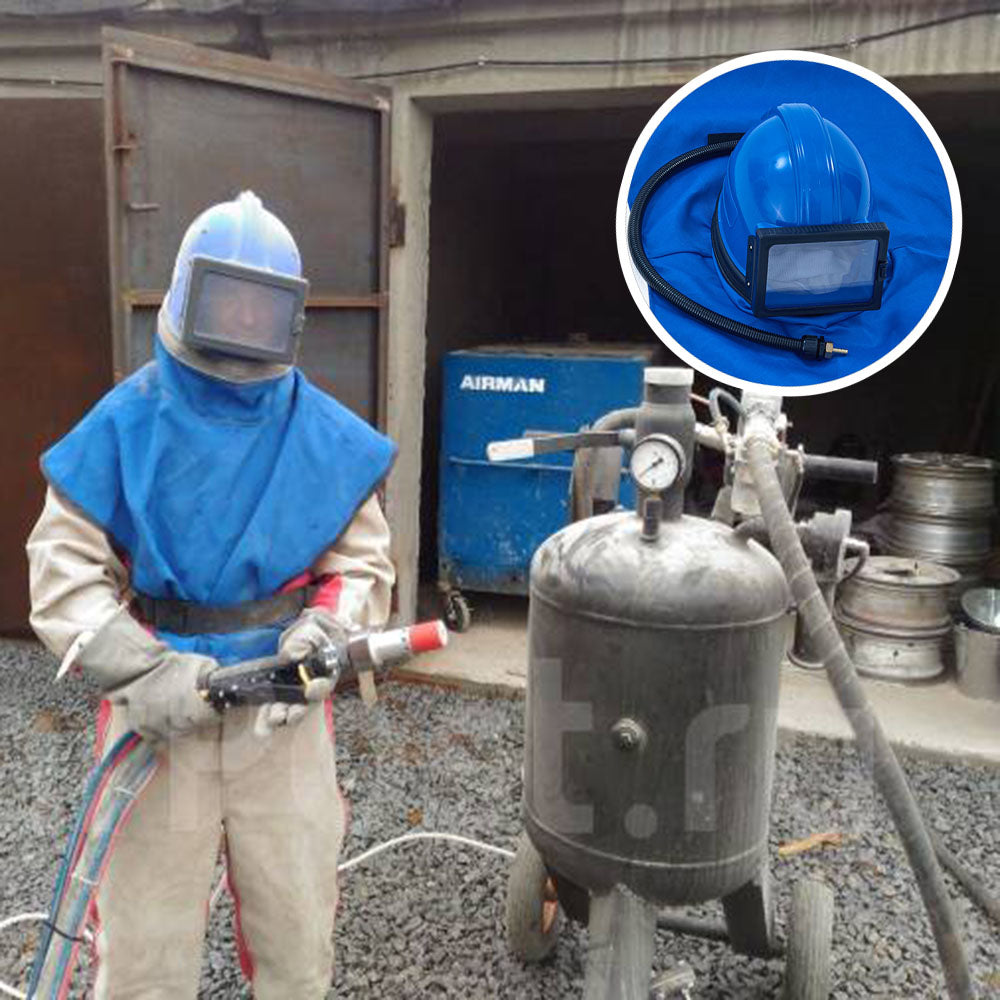
It doesn’t replace PPE—but it makes PPE more effective.

Leave a comment
This site is protected by hCaptcha and the hCaptcha Privacy Policy and Terms of Service apply.