
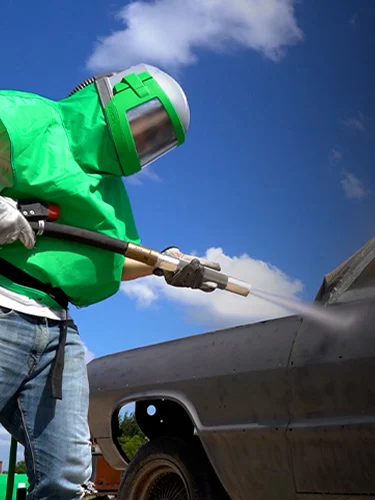
Introduction (80-100 words)
Choosing the right sandblasting gun is essential for achieving efficient surface preparation, paint removal, rust cleaning, and abrasive blasting results. However, many users are confused by the differences between gravity feed, siphon feed, and pressure feed sandblasting guns. Each system uses a different method to deliver abrasive media, which directly affects blasting power, air consumption, efficiency, and application range. Understanding how these three types work can help you select the best tool for your workshop, automotive restoration, industrial cleaning, or DIY sandblasting projects.
Main Problem: Why Do Customers Struggle to Choose the Right Sandblasting Gun?
Many customers purchase a sandblasting gun based only on appearance, price, or advertised pressure ratings, but the actual blasting performance depends on the feeding system.
A sandblasting gun that works well for small parts cleaning may not provide enough power for heavy rust removal. On the other hand, an industrial pressure feed system may be unnecessary for occasional DIY projects.
Common problems users face include:
- Insufficient blasting power: The abrasive flow is too weak to remove tough rust, coatings, or corrosion.
- High air consumption: The compressor cannot provide enough airflow, causing inconsistent performance.
- Slow blasting speed: The wrong feeding system reduces efficiency and increases working time.
- Poor abrasive control: Some guns waste abrasive material because the feed system cannot maintain a stable flow.
- Choosing the wrong equipment: A small workshop may buy an oversized pressure blasting system, while industrial users may select a lightweight siphon gun that cannot meet production needs.
To solve these problems, it is important to understand how each sandblasting gun design works.
Technical Explanation: How Different Sandblasting Gun Systems Work
1. Gravity Feed Sandblasting Gun
A gravity feed sandblasting gun uses a hopper or container located above the gun body. The abrasive media falls into the airflow by gravity and mixes with compressed air before being sprayed through the nozzle.
How It Works:
- Abrasive media is stored in the top container.
- Compressed air creates suction and carries abrasive through the nozzle.
- Gravity helps deliver the abrasive into the air stream.
Advantages:
Lower Air Consumption
Gravity feed systems usually require less compressed air compared with pressure feed models, making them suitable for smaller air compressors.
Better Abrasive Control
The operator can easily control the amount of abrasive being delivered.
Easy Operation
The simple structure makes gravity feed guns popular among beginners and hobby users.
Disadvantages:
- Limited abrasive capacity.
- Requires frequent refilling.
- Not ideal for large surface areas.
- Lower productivity compared with pressure systems.
Best Applications:
Gravity feed sandblasting guns are suitable for:
- Small metal parts
- Automotive detailing
- Rust removal
- Paint stripping
- DIY workshops
- Surface cleaning projects
2. Siphon Feed Sandblasting Gun
A siphon feed sandblasting gun uses a vacuum effect created by compressed air to pull abrasive media from a separate container or sand bucket into the blasting gun.
How It Works:
- Compressed air passes through the gun.
- The airflow creates negative pressure.
- Abrasive material is pulled through a pickup tube.
- The abrasive mixes with air and exits through the nozzle.
Advantages:
Continuous Abrasive Supply
Because the abrasive container is separate, users can blast larger areas without constantly refilling.
Affordable and Versatile
Siphon feed systems are commonly used in sandblasting cabinets and general-purpose blasting equipment.
Suitable for Multiple Abrasives
They can work with materials such as:
- Glass beads
- Aluminum oxide
- Garnet
- Sand blasting media
Disadvantages:
- Lower blasting force than pressure feed systems.
- Requires higher airflow compared with gravity feed guns.
- Performance depends heavily on compressor capacity.
Best Applications:
Siphon feed sandblasting guns are commonly used for:
- Blast cabinets
- Automotive parts restoration
- Tool cleaning
- Surface finishing
- Small production workshops
3. Pressure Feed Sandblasting Gun
A pressure feed sandblasting gun uses a pressurized blast pot or abrasive tank to force abrasive media directly into the airflow.
Unlike gravity and siphon systems, the abrasive is pushed into the gun instead of being pulled.
How It Works:
- Abrasive is stored inside a sealed pressure tank.
- Compressed air pressurizes the tank.
- Abrasive is pushed through the blast hose.
- High-speed abrasive particles impact the surface.
Advantages:
Maximum Blasting Power
Pressure feed systems deliver significantly stronger abrasive impact, making them ideal for heavy-duty applications.
Higher Efficiency
They remove rust, coatings, and surface contaminants much faster than siphon or gravity feed systems.
Longer Continuous Operation
Large pressure tanks allow extended blasting without frequent refilling.
Disadvantages:
- Higher equipment cost.
- Requires a powerful air compressor.
- More complicated operation.
- Usually requires additional safety equipment.
Best Applications:
Pressure feed sandblasting guns are designed for:
- Industrial surface preparation
- Large metal structures
- Ship maintenance
- Heavy rust removal
- Commercial blasting operations
Comparison: Gravity Feed vs Siphon Feed vs Pressure Feed Sandblasting Gun
| Feature | Gravity Feed | Siphon Feed | Pressure Feed |
|---|---|---|---|
| Abrasive Delivery Method | Gravity + airflow | Vacuum suction | Pressurized tank |
| Blasting Power | Low-Medium | Medium | High |
| Air Consumption | Low | Medium | High |
| Working Speed | Slow-Medium | Medium | Fast |
| Equipment Cost | Low | Low-Medium | Higher |
| Operation Difficulty | Easy | Easy-Medium | Medium |
| Best For | DIY & small parts | Cabinets & workshops | Industrial blasting |
| Compressor Requirement | Small compressor | Medium compressor | Large compressor |
| Continuous Operation | Limited | Good | Excellent |
| Surface Area Capability | Small | Medium | Large |
Buying Guide / Solution: How to Choose the Right Sandblasting Gun
Before purchasing a sandblasting gun, consider these key factors:
1. Check Your Compressor Capacity
The compressor is one of the most important factors.
- Small compressor (under 10 CFM): Choose a gravity feed sandblasting gun.
- Medium compressor (10-20 CFM): A siphon feed system is usually suitable.
- Large compressor (20+ CFM): Consider a pressure feed system for professional work.
Always check the required PSI and CFM specifications before buying.
2. Consider Your Application
Choose based on your working needs:
For DIY Projects:
A gravity feed sandblasting gun provides affordable and simple operation.
For Automotive Restoration:
A siphon feed gun offers a good balance between performance and cost.
For Industrial Applications:
A pressure feed sandblasting system provides the speed and power needed for large projects.
3. Select the Right Nozzle Material
The nozzle directly affects blasting efficiency and service life.
Common options include:
- Ceramic nozzles: Affordable and suitable for light-duty work.
- Tungsten carbide nozzles: Better durability for regular blasting.
- Boron carbide nozzles: Excellent wear resistance for professional applications.
Choosing the correct nozzle helps maintain stable abrasive flow and reduces replacement costs.
Conclusion
Gravity feed, siphon feed, and pressure feed sandblasting guns each have their own advantages. Gravity feed models are ideal for beginners and small projects, siphon feed guns provide versatility for workshops and blasting cabinets, while pressure feed systems deliver maximum power for industrial applications.
The best sandblasting gun is not always the most powerful one—it is the one that matches your compressor, abrasive material, and working requirements. Understanding the differences between these systems will help you improve blasting efficiency, reduce operating costs, and achieve better surface treatment results.

Leave a comment
This site is protected by hCaptcha and the hCaptcha Privacy Policy and Terms of Service apply.