
Introduction
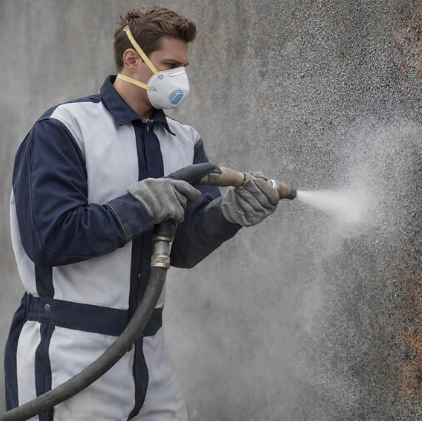
A sandblasting gun that blows air but does not pick up abrasive can quickly bring your project to a stop. This problem is common with siphon-style sandblasting guns and can be caused by several factors, including clogged nozzles, incorrect air pressure, blocked abrasive hoses, damp media, or improper setup. Fortunately, most sand pickup problems can be diagnosed and fixed without replacing the entire sandblasting system. In this guide, we will explain the most common causes and show you how to restore consistent abrasive flow.
Main Problem: Why Is the Sandblasting Gun Not Picking Up Sand?
When your sandblasting gun produces compressed air but no abrasive comes out, the problem is usually related to the abrasive delivery system rather than the air supply itself.
Common causes include:
- Clogged or worn sandblasting nozzle
- Blocked abrasive hose or pickup tube
- Moist or damp abrasive
- Incorrect air pressure
- Abrasive that is too coarse for the gun
- Loose or leaking connections
- Incorrect positioning of the pickup tube
- Insufficient airflow from the air compressor
Before replacing your sandblasting gun, check these components one by one.
Technical Explanation
1. Check the Sandblasting Nozzle
The nozzle is one of the most important parts of a sandblasting gun. If the nozzle is partially blocked by abrasive or debris, air may still pass through while abrasive flow becomes weak or stops completely.
Remove the nozzle and inspect the opening. Clean away any blockage and check whether the nozzle is excessively worn.
A worn nozzle can also increase air consumption and reduce blasting efficiency. Ceramic nozzles are suitable for general applications, while boron carbide nozzles offer excellent wear resistance for demanding blasting jobs.
2. Inspect the Abrasive Hose
A blocked or kinked abrasive hose can prevent media from reaching the gun. Disconnect the hose and check for compacted abrasive, foreign material, or sharp bends.
Make sure the hose has a smooth path from the abrasive container to the sandblasting gun.
3. Keep Abrasive Dry
Moisture is a common reason for poor abrasive flow. When sand or other blasting media absorbs moisture, particles can stick together and form clumps inside the hose or pickup tube.
For more consistent performance, store abrasive in a dry environment and use clean, dry media.
4. Check Air Pressure
Siphon sandblasting guns rely on airflow to create suction and draw abrasive into the gun. If the compressor cannot provide sufficient airflow, the gun may blow air without effectively picking up abrasive.
Many small sandblasting guns work well with approximately 60–120 PSI, but actual performance depends on the gun design, nozzle size, abrasive type, and compressor capacity.
5. Use the Correct Abrasive Size
Abrasive that is too coarse can clog the pickup tube or nozzle. Always follow the manufacturer's recommended abrasive size.
For example, some sandblasting guns are designed to work with abrasives no coarser than 24 Grit. Using oversized particles can significantly reduce abrasive flow.
Quick Troubleshooting Guide
| Problem | Possible Cause | Recommended Solution |
|---|---|---|
| Air comes out but no abrasive | Clogged nozzle | Remove and clean the nozzle |
| Weak abrasive flow | Low airflow | Check compressor capacity and pressure |
| Abrasive stops intermittently | Damp media | Replace with dry abrasive |
| Gun keeps clogging | Abrasive too coarse | Use the recommended grit size |
| No suction | Blocked pickup tube | Clean the tube and hose |
| Poor blasting performance | Worn nozzle | Replace the nozzle |
| Air leakage | Loose connection | Tighten fittings and connections |
Buying Guide / Solution
If your sandblasting gun frequently loses abrasive flow, choosing the right equipment can prevent many common problems.
Look for a sandblasting gun with a reliable abrasive pickup system, durable nozzle, and adjustable airflow control. The nozzle size should match your compressor's airflow capacity and the abrasive you plan to use.
It is also useful to keep several replacement sandblasting nozzles available. Ceramic nozzles are an economical option for general cleaning and surface preparation, while wear-resistant nozzles such as boron carbide are better suited for longer, more demanding blasting applications.
Most importantly, match your sandblasting gun to your air compressor. A compressor with insufficient CFM may provide adequate pressure at idle but fail to maintain the airflow required during continuous blasting.
Conclusion
When a sandblasting gun is not picking up sand, the cause is usually simple: a clogged nozzle, blocked hose, damp abrasive, insufficient airflow, or incorrect abrasive size. By checking the nozzle, hose, abrasive condition, air pressure, and compressor capacity, you can usually identify the problem quickly.
Proper equipment selection and regular maintenance are also essential for consistent sandblasting performance. Keep your abrasive dry, use the correct grit size, inspect your nozzle regularly, and make sure your compressor can supply enough airflow for the gun.
CTA
Explore HOLDWIN Sandblasting Tools
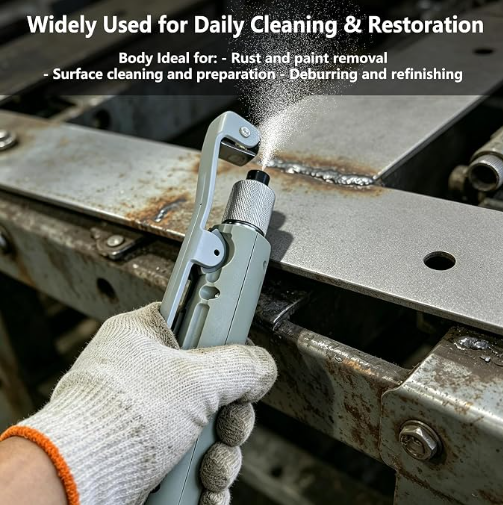
Discover reliable sandblasting guns, ceramic nozzles, boron carbide nozzles, sandblasting hoses, and other accessories designed to help you achieve consistent and efficient blasting performance.

Leave a comment
This site is protected by hCaptcha and the hCaptcha Privacy Policy and Terms of Service apply.