
Introduction
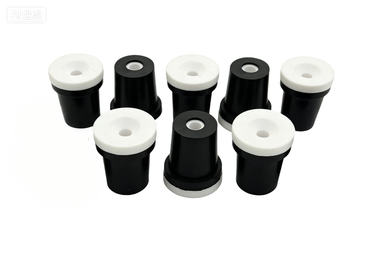
A sandblasting nozzle is a small component, but it has a major impact on blasting efficiency, abrasive consumption, and surface preparation results. So, how long does a sandblasting nozzle last? There is no universal answer because nozzle life depends on material, abrasive type, blasting pressure, operating hours, and maintenance. Ceramic, tungsten carbide, and boron carbide nozzles all offer different levels of durability. Understanding these factors can help you choose the right nozzle, identify wear early, and avoid unnecessary replacement costs or reduced blasting performance.
Main Problem
Sandblasting nozzles wear because abrasive particles continuously pass through the internal bore at high speed. Over time, this friction and impact gradually enlarge and change the shape of the bore.
A worn nozzle may still look usable from the outside, but its performance can already be declining. As the bore becomes larger, the nozzle may consume more compressed air and abrasive while producing less efficient blasting. This can increase operating costs and make it harder to achieve a consistent surface finish.
Several factors affect nozzle lifespan:
- Nozzle material: Different materials have very different wear resistance.
- Abrasive media: Hard, sharp, or aggressive abrasives generally cause faster wear.
- Blasting pressure: Higher pressure can increase abrasive velocity and nozzle wear.
- Operating time: Continuous industrial blasting wears nozzles faster than occasional use.
- Abrasive size: Coarser particles can increase internal erosion.
- Maintenance: Moisture, contamination, and improper handling can shorten service life.
Technical Explanation
Ceramic nozzles are commonly selected for light-duty or occasional blasting because they are economical and easy to replace. However, they generally have a shorter service life than carbide nozzles, especially when used with aggressive abrasive media.
Tungsten carbide nozzles provide better wear resistance and are suitable for regular blasting applications. They offer a practical balance between purchase price and service life, making them a common choice for workshops and general surface preparation.
Boron carbide nozzles are designed for demanding applications where extended wear resistance is important. Boron carbide is extremely hard and can provide a significantly longer service life than ceramic nozzles under suitable operating conditions. For businesses performing frequent or continuous blasting, the higher initial cost may be offset by fewer replacements and less downtime.
The actual lifespan can range from several hours to hundreds of hours depending on working conditions. Therefore, manufacturers should not treat a single hour rating as a guarantee. Bore wear and actual blasting performance are more useful indicators.
How to Recognize Nozzle Wear
You can often identify nozzle wear before performance becomes seriously affected. Watch for a wider or uneven bore, changes in the shape of the abrasive stream, increased abrasive consumption, or a noticeable drop in cleaning speed.
Regular visual inspection is especially important for high-use equipment. If possible, compare the nozzle bore with a new nozzle of the same size. A significant increase in bore diameter is a practical indication that the nozzle should be replaced.
Comparison / Table
| Nozzle Material | Best For | Wear Resistance | Relative Life | Cost |
|---|---|---|---|---|
| Ceramic | Light-duty / occasional use | Low | Short | Low |
| Tungsten Carbide | General-purpose blasting | Medium-High | Medium | Medium |
| Boron Carbide | Heavy-duty / industrial use | Very High | Long | Higher |
Buying Guide / Solution
When choosing a sandblasting nozzle, consider your abrasive, compressor, pressure, working frequency, and budget.
For occasional cleaning, paint removal, or small DIY projects, ceramic can be a cost-effective option. If you blast regularly, tungsten carbide may provide a better balance of durability and price. For demanding industrial applications, boron carbide is often a better long-term choice because of its excellent wear resistance.
Nozzle bore size is also important. A larger bore can require more compressed air, while a smaller bore can reduce air demand but may affect productivity. Always match the nozzle to your compressor and blasting system.
To extend nozzle life, use clean and dry abrasive, avoid unnecessarily high pressure, inspect the nozzle regularly, and protect it from drops and impacts. Keeping the blasting system free from moisture and contamination can also help.
Replace the nozzle when the bore becomes noticeably enlarged or irregular, blasting pressure changes, abrasive consumption increases, or cleaning performance declines. Cracks or chips are also clear signs that replacement is necessary.
Conclusion
So, how long does a sandblasting nozzle last? The answer depends mainly on nozzle material, abrasive media, pressure, and operating conditions. Ceramic nozzles are economical for light use, tungsten carbide provides a good balance for regular work, and boron carbide offers excellent durability for demanding applications.
Rather than replacing a nozzle only after it fails, regularly monitor its bore and blasting performance. Choosing the correct nozzle and replacing it at the right time can reduce abrasive waste, maintain consistent results, and lower long-term operating costs.
Explore HOLDWIN Sandblasting Tools
Discover HOLDWIN sandblasting nozzles and professional blasting accessories designed to support reliable performance, efficient surface preparation, and long-term use.

Leave a comment
This site is protected by hCaptcha and the hCaptcha Privacy Policy and Terms of Service apply.