
Introduction
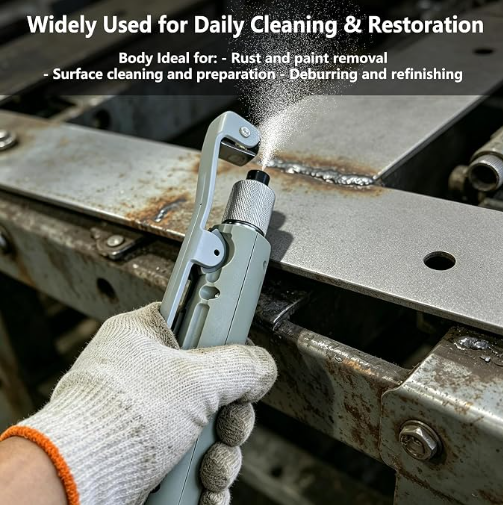
A sandblasting gun is one of the most important components in a blasting system. Whether you are removing rust, paint, oxidation, or surface contaminants, the performance of your sandblasting gun directly affects cleaning speed, abrasive consumption, and surface quality. However, even a high-quality gun may perform poorly if the air compressor, nozzle, abrasive, or hose is not properly matched. In this guide, we will explain practical ways to improve sandblasting gun performance and efficiency, helping you achieve more consistent blasting results while reducing wasted abrasive and unnecessary equipment wear.
Main Problem: Why Is Your Sandblasting Gun Losing Performance?
If your sandblasting gun is producing weak blasting power, uneven abrasive flow, or excessive abrasive consumption, several factors may be responsible.
1. Insufficient air pressure or airflow
Sandblasting requires both adequate pressure and sufficient air volume. If the compressor cannot provide enough CFM, the gun may lose blasting power, especially during continuous operation.
2. Worn or incorrectly sized nozzle
The nozzle controls the speed and concentration of the abrasive stream. A worn nozzle has a larger internal diameter, which increases air consumption and can reduce blasting efficiency.
3. Incorrect abrasive
Abrasive type, size, hardness, and moisture level all affect performance. Damp or contaminated abrasive can cause clogging and inconsistent material flow.
4. Restricted air or abrasive flow
Kinked hoses, blocked fittings, clogged valves, and excessive hose length can restrict airflow and reduce the effectiveness of the sandblasting gun.
Technical Explanation: Key Factors That Improve Performance
1. Match the Compressor to the Sandblasting Gun
The compressor is the power source of a sandblasting system. Before using a gun, check its required PSI and CFM range and make sure your compressor can maintain the required airflow continuously.
A higher PSI does not always mean better performance. If the compressor cannot maintain sufficient CFM, pressure will drop during operation. A properly matched compressor provides a more stable abrasive stream and improves productivity.
2. Choose the Right Nozzle
Nozzle size has a major influence on blasting performance.
A smaller nozzle generally requires less air and produces a more concentrated stream, while a larger nozzle can cover a wider area but requires significantly more airflow.
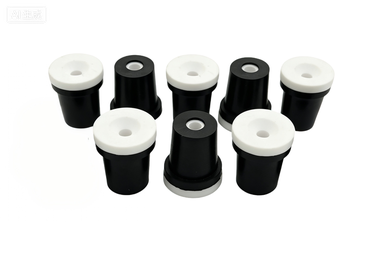
For frequent or heavy-duty blasting, consider wear-resistant materials such as boron carbide. For lighter applications, ceramic nozzles can provide a cost-effective solution.
Replace the nozzle when its bore becomes noticeably enlarged or when blasting performance starts to decline.
3. Use Clean and Dry Abrasive
Moisture is one of the most common causes of abrasive flow problems. Store abrasive in a dry environment and keep the blasting system protected from moisture.
Choose an abrasive that matches your application and equipment. Using excessively coarse abrasive can cause clogging or place unnecessary stress on the gun and nozzle.
4. Optimize the Blast Hose
The blast hose should have an appropriate inside diameter and should be kept as short and straight as practical.
Avoid sharp bends, damaged sections, and unnecessary connectors. A properly sized, wear-resistant sandblast hose helps maintain stable airflow and abrasive delivery.
5. Maintain the Sandblasting Gun
Regular maintenance can significantly improve efficiency and extend equipment life.
Before each operation, inspect the nozzle, air inlet, abrasive passage, hose, fittings, and valve. Remove accumulated abrasive and check for leaks.
If the gun suddenly loses power, check for a clogged nozzle or abrasive passage before replacing other components.
Comparison: Factors Affecting Sandblasting Efficiency
| Factor | Poor Setup | Optimized Setup |
|---|---|---|
| Air Compressor | Insufficient CFM | Adequate continuous CFM |
| Air Pressure | Unstable | Stable operating pressure |
| Nozzle | Worn or incorrect size | Correct size and material |
| Abrasive | Damp or contaminated | Clean and dry |
| Hose | Kinked or undersized | Proper diameter and straight routing |
| Maintenance | Irregular | Regular inspection and cleaning |
| Result | Slow and inconsistent | Faster and more consistent |
Buying Guide / Solution
When choosing a sandblasting gun, do not focus only on the gun itself. Consider the entire blasting system.
First, check the air compressor capacity and make sure the gun and nozzle combination matches its CFM output.
Second, select a nozzle size and material according to your application. If you frequently perform heavy-duty blasting, a wear-resistant boron carbide nozzle can be a practical long-term option.
Third, choose a durable sandblast hose with the appropriate inner diameter to reduce airflow restrictions.
Finally, look for a sandblasting gun made from durable materials with reliable fittings and an easy-to-maintain design. A properly matched gun, nozzle, hose, compressor, and abrasive can improve blasting efficiency while reducing downtime and abrasive waste.
Conclusion
Improving sandblasting gun performance is not simply about increasing air pressure. The best results come from optimizing the entire blasting system. A properly sized compressor, suitable nozzle, clean abrasive, efficient hose, and regular maintenance can significantly improve blasting power, consistency, and productivity.
If your sandblasting gun is underperforming, start by checking airflow, nozzle wear, abrasive condition, and hose restrictions. Small adjustments to these components can make a noticeable difference in your overall blasting results.
CTA
Explore HOLDWIN Sandblasting Tools
Upgrade your blasting setup with reliable HOLDWIN Sandblasting Guns, Nozzles, Sandblast Hoses, Gloves, Helmets, and Accessories. Choose the right equipment for better performance, longer service life, and more efficient sandblasting.

Leave a comment
This site is protected by hCaptcha and the hCaptcha Privacy Policy and Terms of Service apply.