
Introduction
Sandblasting cabinet work gives operators better control over abrasive blasting, but the hands are still exposed to repeated movement, abrasive dust, vibration, and impact inside the cabinet. Choosing the right sandblasting gloves can make a significant difference in comfort, protection, and work efficiency. The best gloves should provide adequate coverage while remaining flexible enough to operate the blast gun and handle workpieces. In this guide, we’ll explain the key factors to consider when choosing gloves for cabinet blasting.
Main Problem: Why Do the Right Sandblasting Gloves Matter?
Cabinet blasting is different from many general-purpose industrial tasks. Operators frequently move their hands, grip the blast gun, reposition parts, and work against abrasive media for extended periods.
Using unsuitable gloves can lead to several common problems:
-
Insufficient protection: Thin work gloves may not provide enough resistance to abrasive exposure.
-
Poor flexibility: Gloves that are too stiff can make it difficult to control the blast gun.
-
Limited coverage: Short gloves can leave the wrists and forearms exposed.
-
Poor grip: Smooth glove surfaces may make it harder to hold tools securely.
-
Premature wear: Abrasive blasting can quickly damage materials that are not designed for this environment.
For cabinet blasting, gloves should balance protection, durability, flexibility, grip, and comfort.
Technical Explanation: What Should You Look for in Sandblasting Gloves?
1. Choose a Durable Material
The material is one of the most important factors. Common options include rubber, latex, PVC-coated materials, and other abrasion-resistant constructions.
For cabinet blasting, durable rubber-based gloves are popular because they can provide a practical combination of flexibility, wear resistance, and protection.
The right material depends on your blasting media, working frequency, and cabinet configuration.
2. Consider Glove Length
Glove length determines how much of your wrist and forearm is covered.
For cabinet blasting, longer gloves are generally useful because they extend protection beyond the hands. Common lengths include approximately 23–28 inches, depending on the cabinet design and glove mounting position.
Longer gloves can be particularly useful when the operator needs to reach deeper into the cabinet.
3. Balance Protection and Flexibility
Thicker does not always mean better.
Extremely rigid gloves may provide additional physical protection but can make it difficult to operate a blast gun accurately. On the other hand, gloves that are too thin may wear out quickly.
A good cabinet-blasting glove should allow the operator to:
-
Grip and control the blast gun
-
Move the wrist naturally
-
Rotate and reposition workpieces
-
Work for extended periods without excessive hand fatigue
4. Look for a Good Grip
Grip is especially important when handling metal parts or blasting equipment.
A textured or non-slip surface can improve control and reduce the chance of the workpiece or tool slipping during operation.
5. Check Compatibility with Your Cabinet
Before purchasing replacement gloves, check the glove length, cuff diameter, mounting system, and cabinet compatibility.
A high-quality glove is only useful if it can be securely installed on your cabinet.
Sandblasting Glove Comparison
| Feature | Thin Work Gloves | PVC/Coated Gloves | Heavy-Duty Rubber Gloves |
|---|---|---|---|
| Abrasion Resistance | Low | Medium | High |
| Flexibility | High | Medium | Medium–High |
| Forearm Coverage | Limited | Varies | Usually Extended |
| Cabinet Blasting | Not Ideal | Suitable for Light Work | Recommended for Heavy Use |
| Durability | Low–Medium | Medium | High |
| Grip | Varies | Good | Good |
The table is a general comparison. Actual performance depends on the glove construction, abrasive media, blasting pressure, and working conditions.
Buying Guide: How to Choose the Right Gloves
Before purchasing sandblasting gloves for your cabinet, consider these five questions:
1. How frequently do you blast?
For occasional work, standard protective gloves may be sufficient. For frequent or professional blasting, choose a more durable option.
2. What abrasive media do you use?
Different abrasives can produce different levels of wear. More aggressive blasting conditions generally require more durable gloves.
3. How deep is your cabinet?
A deeper cabinet may benefit from longer gloves for better forearm coverage.
4. Do you need maximum flexibility?
If you frequently operate a blast gun or manipulate small parts, prioritize gloves that combine protection with flexibility.
5. Are the gloves compatible with your cabinet?
Always check dimensions and mounting compatibility before ordering replacement gloves.
Solution: Choose Gloves for the Job
For professional cabinet blasting, look for gloves that combine durable construction, extended coverage, comfortable flexibility, and reliable grip.
At HOLDWIN, we focus on practical sandblasting equipment and accessories designed around real blasting applications. Choosing the right gloves is not simply about finding the thickest option—it is about finding the right balance between protection and control.
Conclusion
The best sandblasting gloves for cabinet blasting should protect your hands and forearms without making the blasting process unnecessarily difficult. Material, length, durability, flexibility, grip, and cabinet compatibility are all important considerations.
Whether you are an occasional DIY user or a professional blaster, investing in suitable gloves can help improve comfort, equipment control, and long-term usability.
Explore HOLDWIN Sandblasting Tools
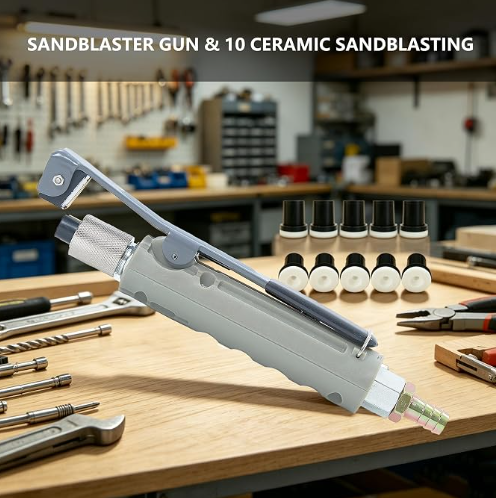
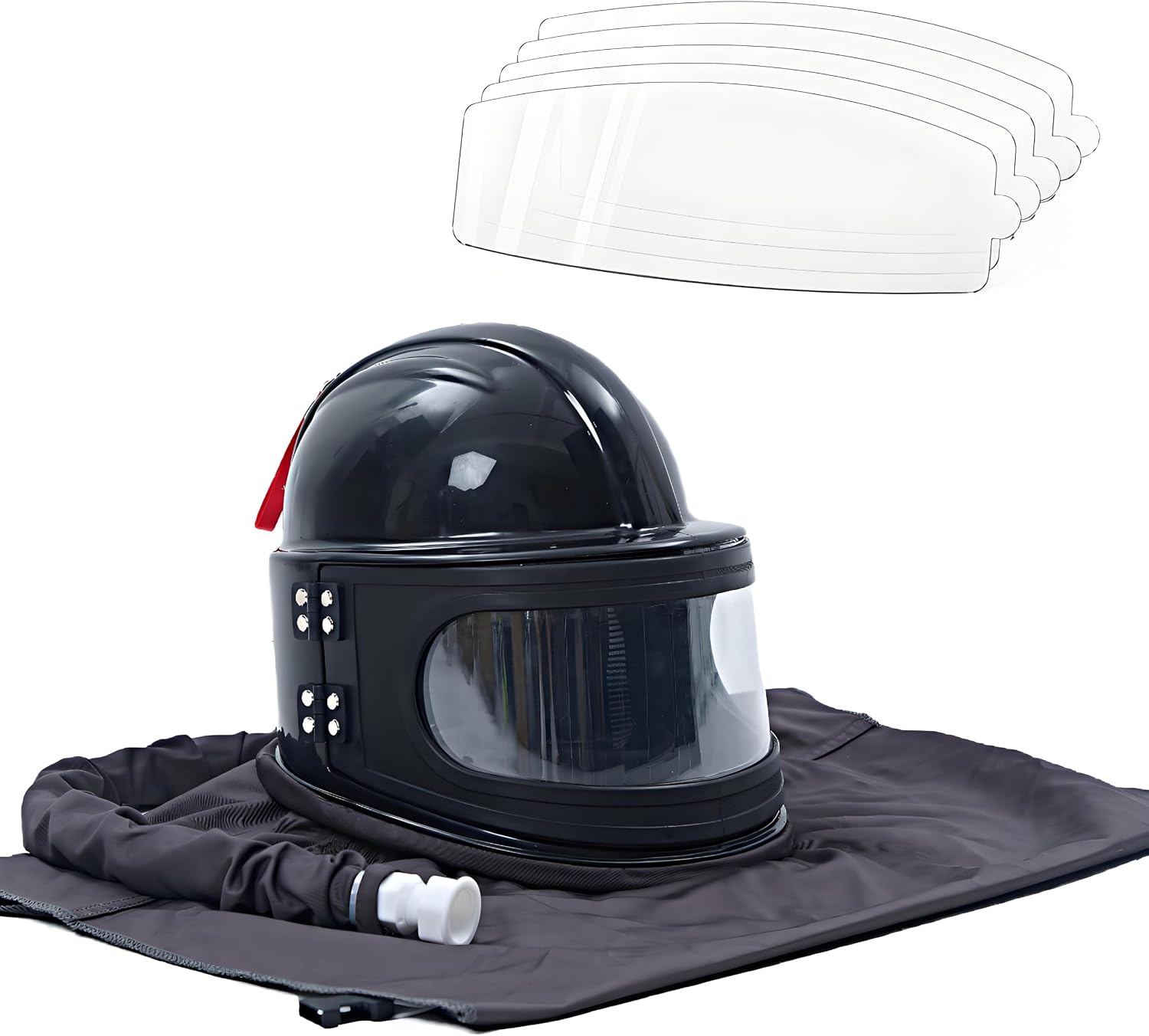
Discover HOLDWIN sandblasting gloves, blast guns, helmets, nozzles, hoses, and other equipment designed for practical surface preparation and abrasive blasting applications.

Leave a comment
This site is protected by hCaptcha and the hCaptcha Privacy Policy and Terms of Service apply.