
Introduction
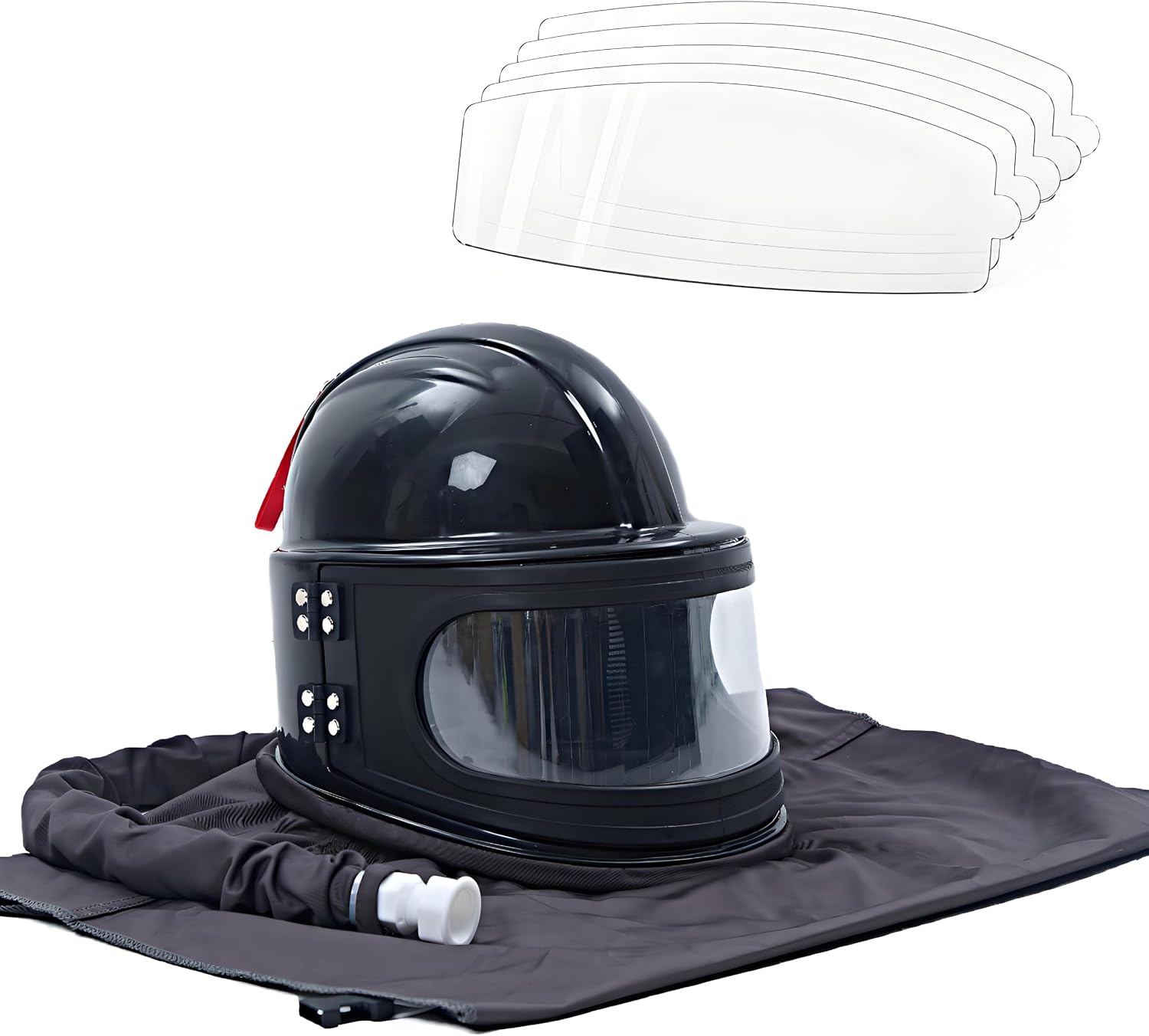
Sandblasting is an effective way to remove rust, paint, scale, corrosion, and other surface contaminants. However, abrasive blasting can create dust, flying particles, and high-pressure hazards, making proper personal protective equipment essential. Among all safety equipment, a sandblasting helmet plays a critical role in protecting the operator's face, head, eyes, neck, and respiratory system. Choosing the right helmet and using it correctly can improve both safety and working comfort. In this guide, we'll explain the key features of a sandblasting helmet and what every operator should know before starting a blasting job.
Main Problem: Why Is a Proper Sandblasting Helmet Important?
During abrasive blasting, the operator may be exposed to several hazards at the same time.
Flying abrasive particles can cause serious eye and face injuries if the operator uses ordinary safety glasses or an unsuitable face shield.
Dust and fine particles can also become airborne during blasting. Depending on the blasting material and surface being treated, this dust may create respiratory hazards.
Another common problem is poor visibility. Abrasive dust, scratched lenses, and fogging can make it difficult to see the work surface clearly, increasing operator fatigue and reducing blasting accuracy.
A helmet that does not provide adequate coverage, airflow, visibility, or comfort can therefore affect both operator safety and productivity.
Technical Explanation: What Makes a Sandblasting Helmet Safe?
A professional sandblasting helmet should provide more than basic head protection. Several components work together to create a safer blasting environment.
1. Supplied-Air System
Many professional blast helmets use a supplied-air system that provides clean breathing air to the operator. The air supply should be properly filtered and suitable for use with the helmet.
A supplied-air helmet is different from a standard protective hood because it is designed to provide respiratory protection while maintaining airflow inside the helmet.
2. Full Head and Neck Coverage
A good blast helmet should provide coverage around the head, face, neck, and shoulders. This helps reduce direct exposure to rebounding abrasive particles and dust.
A secure neck seal can also help prevent contaminated air from entering around the lower part of the helmet.
3. Protective Lens System
The viewing window is one of the most important components of a sandblasting helmet.
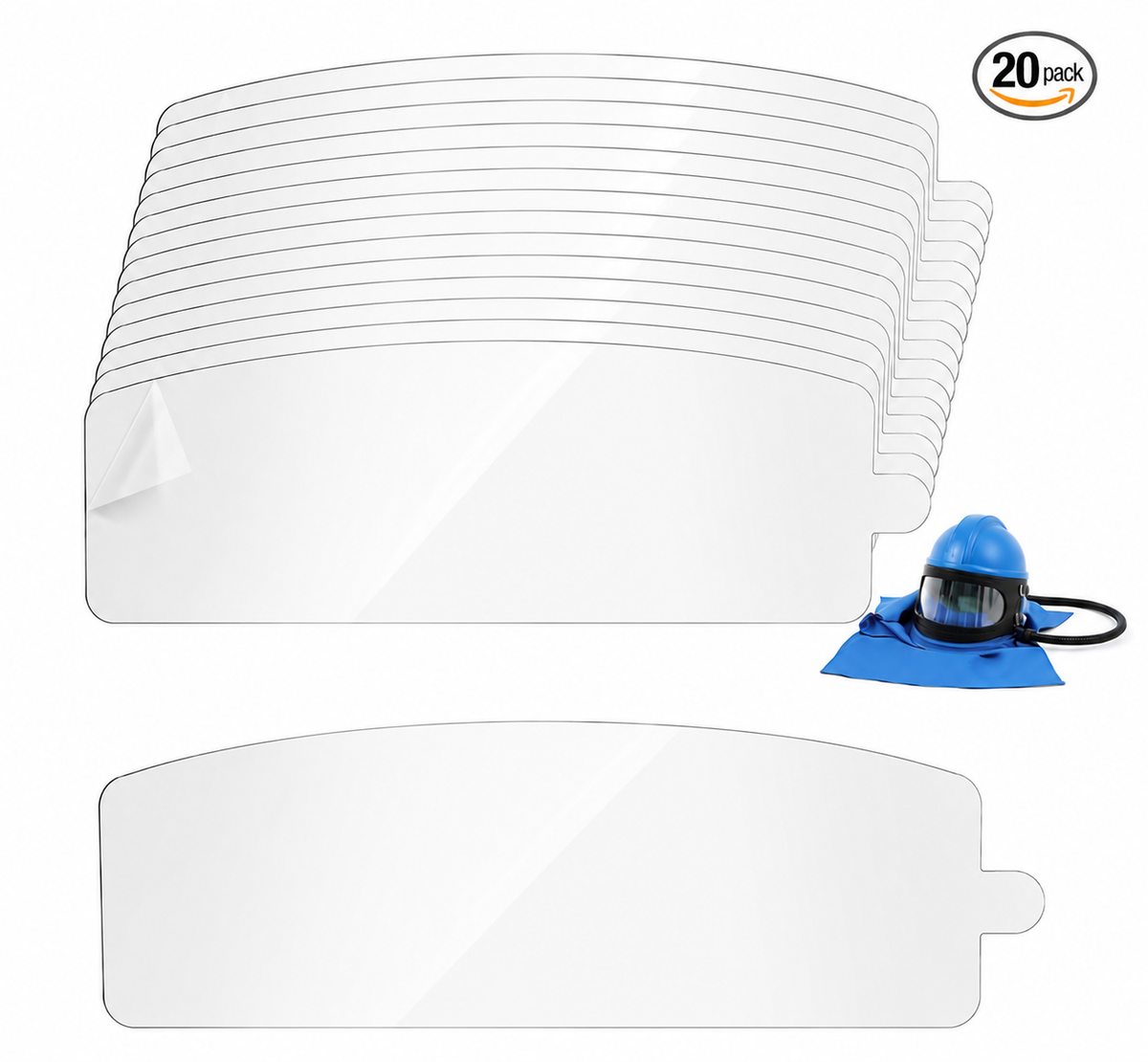
A multi-layer lens system can help protect the main viewing window from scratches and abrasive impact. Replaceable outer lenses are particularly useful because operators can replace a damaged or heavily scratched lens without replacing the entire helmet.
4. Anti-Fog Visibility
Long blasting sessions can create condensation and fogging inside protective equipment. Good ventilation and anti-fog lens technology can help maintain a clearer field of view.
Clear visibility is important not only for comfort but also for accurate surface preparation.
5. Comfortable Construction
Sandblasting jobs can last for hours, so helmet weight, airflow, neck sealing, and internal space all matter.
A comfortable helmet can reduce operator fatigue and make it easier to maintain proper working posture during extended blasting operations.
Sandblasting Helmet Features Comparison
| Feature | Basic Hood | Professional Blast Helmet |
|---|---|---|
| Head Protection | Basic | Full coverage |
| Face Protection | Limited | Full-face coverage |
| Respiratory Air | Usually No | Supplied-air system |
| Lens Protection | Basic | Replaceable protective lenses |
| Visibility | Standard | Designed for blasting visibility |
| Neck Protection | Limited | Extended coverage |
| Long-Term Comfort | Moderate | Designed for extended use |
| Maintenance | Basic | Replaceable components |
The exact protection level depends on the helmet design, air-supply system, workplace conditions, and applicable safety requirements.
Buying Guide: How to Choose a Sandblasting Helmet
When selecting a blast helmet, consider the following factors.
Choose the Right Air Supply
Check the manufacturer's requirements for air pressure, airflow, filtration, and compatible air systems. Never assume that compressed shop air is automatically suitable for breathing.
Check Lens Protection
Look for helmets with replaceable outer lenses. If your work involves frequent blasting, replaceable lenses can be especially convenient and economical.
Consider Visibility
A wide viewing area, anti-fog features, and a clean lens can help operators see the blasting surface more clearly.
Look for Full Coverage
For abrasive blasting applications, choose a helmet designed specifically for sandblasting rather than a general-purpose welding or dust hood.
Consider Comfort
If you regularly work for extended periods, pay attention to helmet weight, neck seal design, ventilation, and internal space.
Follow Safety Requirements
Always follow the helmet manufacturer's instructions and the safety requirements applicable to your workplace. Inspect the helmet, lenses, air supply, hoses, and seals before every use.
Conclusion
A sandblasting helmet is an essential part of a professional abrasive blasting setup. The right helmet should combine head and face coverage, supplied-air protection, lens protection, visibility, and operator comfort.
Before purchasing, consider your blasting environment, working duration, air-supply system, lens requirements, and applicable safety standards. More importantly, inspect your equipment regularly and replace damaged or worn components promptly.
Proper equipment selection and safe operating practices can help create a more comfortable, controlled, and productive sandblasting experience.
Explore HOLDWIN Sandblasting Tools
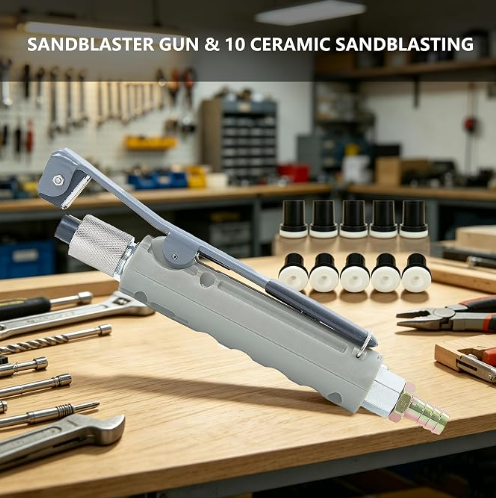
Discover HOLDWIN sandblasting helmets, blasting guns, nozzles, gloves, hoses, and other professional sandblasting equipment designed for demanding surface preparation applications.

Leave a comment
This site is protected by hCaptcha and the hCaptcha Privacy Policy and Terms of Service apply.