
Introduction
Choosing the right sandblasting nozzle size can have a major impact on blasting performance. If you have ever wondered why one nozzle uses more air than another, why your blasting pressure drops, or why your abrasive consumption seems too high, the nozzle bore size may be the reason. Sandblasting nozzle size generally refers to the inside diameter of the nozzle opening, which controls how compressed air and abrasive exit the nozzle. Understanding nozzle size helps you balance air consumption, blasting pressure, abrasive flow, cleaning speed, and equipment performance.
Main Problem: Why Does Nozzle Size Matter?
A common mistake is assuming that a larger sandblasting nozzle will always clean faster. While a larger nozzle can cover a larger area and allow more abrasive and air to pass through, it also requires significantly more compressed air.
If your air compressor cannot provide enough CFM for the selected nozzle, the blasting pressure can drop. This may result in slower cleaning, inconsistent abrasive flow, and reduced productivity.
On the other hand, choosing a nozzle that is too small may reduce air and abrasive consumption but can also limit coverage and blasting efficiency.
Typical problems caused by an incorrectly sized nozzle include:
-
Low or unstable blasting pressure
-
Insufficient compressor capacity
-
Excessive abrasive consumption
-
Slow surface cleaning
-
Reduced nozzle life
-
Poor blasting efficiency
-
Higher operating costs
The goal is not simply to choose the largest or smallest nozzle. The right choice depends on your compressor capacity, working pressure, abrasive type, blasting distance, and application.
Technical Explanation: What Is Sandblasting Nozzle Size?
Sandblasting nozzle size usually refers to the bore diameter, measured in inches or millimeters.
For example, a nozzle with a 1/4-inch bore has a smaller internal opening than a nozzle with a 3/8-inch bore. The larger bore allows a greater volume of compressed air and abrasive to pass through.
The basic relationship is simple:
Larger nozzle bore → higher air consumption → higher potential abrasive flow → larger blast pattern
Smaller nozzle bore → lower air consumption → lower abrasive flow → more concentrated blast pattern
Nozzle size also affects the amount of work your air compressor needs to perform. As nozzle diameter increases, the required CFM generally increases significantly.
For example, a small nozzle may be suitable for a lower-capacity compressor and detailed blasting, while a larger nozzle is better suited to industrial applications where a high-capacity compressor is available.
Nozzle Size and Blasting Pressure
Nozzle size and blasting pressure work together. A pressure pot or blast machine may be capable of operating at a specific PSI, but the actual blasting performance depends heavily on whether the compressor can maintain sufficient airflow through the selected nozzle.
A larger nozzle does not automatically mean higher pressure. Instead, it allows more air to flow. If the compressor cannot keep up, pressure at the nozzle can fall.
For this reason, PSI and CFM should always be considered together when selecting a sandblasting nozzle.
Sandblasting Nozzle Size Comparison
| Nozzle Bore | Air Consumption | Blast Coverage | Typical Application |
|---|---|---|---|
| 2 mm | Low | Narrow | Detail work, light cleaning |
| 2.5 mm | Low–Medium | Narrow–Medium | Small parts and maintenance |
| 3 mm | Medium | Medium | General-purpose blasting |
| 3.5 mm | Medium–High | Medium–Wide | Faster surface preparation |
| 1/4" | Medium | Medium | General blasting applications |
| 3/8" | High | Wide | Heavy-duty industrial blasting |
| 1/2" | Very High | Very Wide | High-production blasting |
Actual air consumption varies depending on nozzle design, blasting pressure, nozzle condition, and equipment configuration.
Buying Guide: How to Choose the Right Sandblasting Nozzle Size
1. Check Your Air Compressor
Your compressor is one of the most important factors. Before purchasing a nozzle, check its CFM output at your intended operating pressure.
If the nozzle requires more airflow than your compressor can continuously supply, blasting performance will suffer.
2. Consider Your Blasting Pressure
Different applications require different working pressures. Light cleaning may require less aggressive blasting, while rust removal, paint stripping, and heavy surface preparation may require higher pressure.
Always select a nozzle that can operate efficiently with your available PSI and CFM.
3. Match the Nozzle to the Job
For small components, detailed cleaning, or localized rust removal, a smaller nozzle can provide better control.
For large metal surfaces, heavy rust, paint removal, and industrial surface preparation, a larger nozzle can improve productivity when the compressor has sufficient capacity.
4. Choose the Right Nozzle Material
Nozzle size is only one part of the selection process. The nozzle material also affects service life.
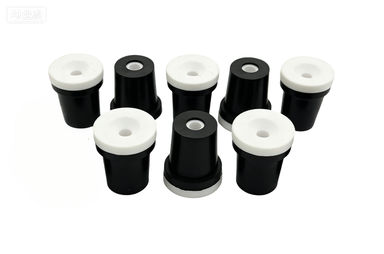
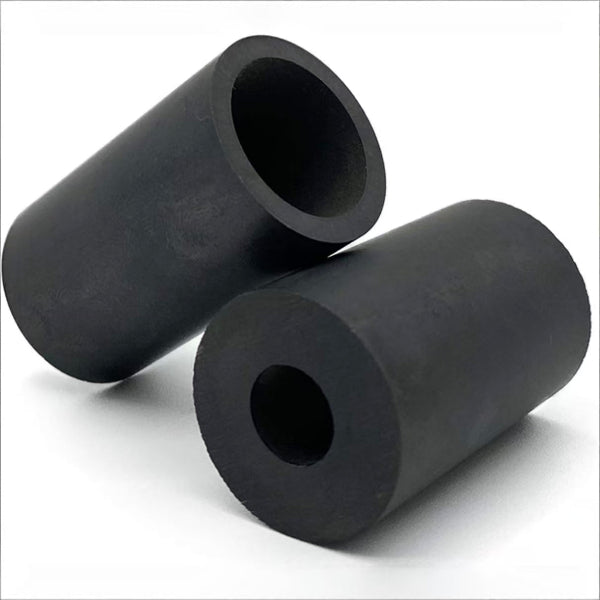
Ceramic nozzles can be a practical choice for lighter-duty and general-purpose applications. For more demanding abrasive blasting, longer-lasting materials such as boron carbide can provide significantly better wear resistance.
5. Replace Worn Nozzles
A nozzle's bore gradually becomes larger as it wears. A worn nozzle can consume more air and abrasive while reducing blasting efficiency.
If your blasting system suddenly requires more air or abrasive than usual, inspect the nozzle before assuming there is a problem with the compressor or blast machine.
Conclusion
Sandblasting nozzle size is more than just a measurement of the nozzle opening. It directly affects air consumption, abrasive flow, blast coverage, cleaning speed, and overall blasting efficiency.
The best nozzle is not necessarily the largest one. Instead, choose a size that matches your compressor's CFM, operating pressure, abrasive, application, and required productivity. Understanding this relationship can help you achieve more consistent results while controlling abrasive and energy costs.
Explore HOLDWIN Sandblasting Tools
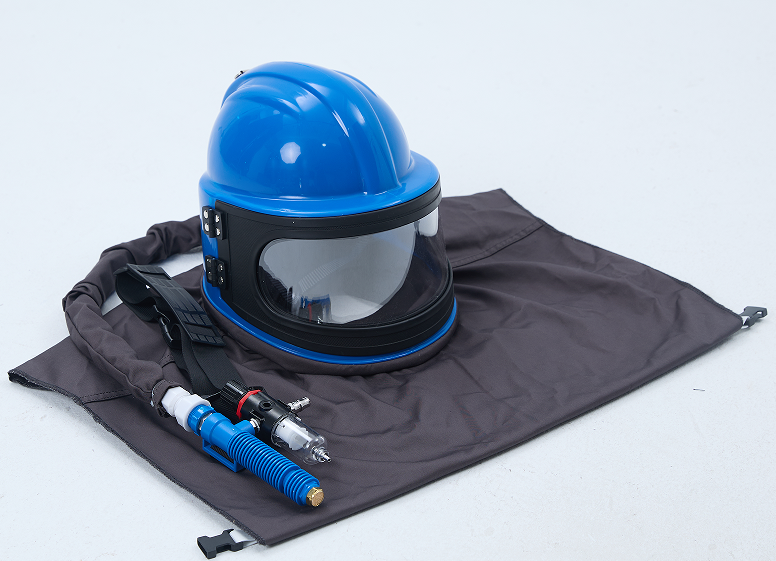
Looking for reliable sandblasting nozzles and accessories? Explore HOLDWIN Sandblasting Tools for ceramic nozzles, boron carbide nozzles, sandblasting guns, hoses, gloves, helmets, and other blasting equipment designed for different surface preparation applications.
Choose the right nozzle. Match your airflow. Blast more efficiently with HOLDWIN.

Leave a comment
This site is protected by hCaptcha and the hCaptcha Privacy Policy and Terms of Service apply.