
Introduction
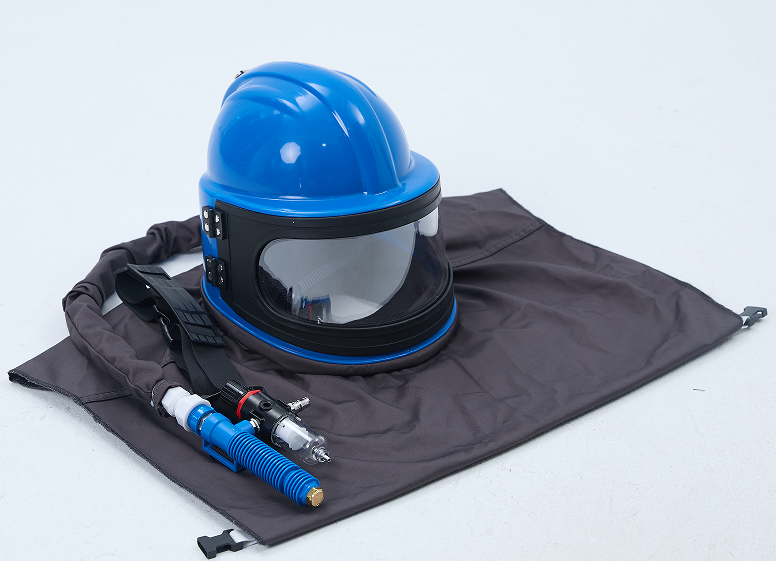
Choosing the right sandblasting helmet is an important part of setting up a safe and efficient blasting system. During abrasive blasting, operators may be exposed to dust, abrasive particles, flying debris, noise, and reduced visibility. A suitable helmet should provide reliable head and face protection while allowing you to see your work clearly and breathe comfortably. However, with different helmet designs, lens systems, and air-supply options available, choosing the right model can be confusing. This guide explains the key factors to consider when selecting a sandblasting helmet for professional and demanding blasting applications.
Main Problem: What Makes a Sandblasting Helmet Difficult to Choose?
Not every blasting helmet is designed for the same working conditions. Some operators focus only on price, while others choose a helmet based on appearance or basic face coverage. These approaches can overlook important factors such as air supply, lens durability, visibility, fit, and long-term comfort.
Common problems include:
-
Poor visibility: Dust, scratches, or fogging can make it difficult to see the blasting area.
-
Limited protection: A basic hood may not provide enough coverage for the face, head, and neck.
-
Uncomfortable fit: Heavy or poorly designed helmets can become tiring during extended blasting.
-
Lens replacement issues: Some helmets make it difficult or expensive to replace damaged lenses.
-
Inadequate airflow: Without a suitable air-supply system, the operator may experience uncomfortable breathing conditions inside the helmet.
-
Insufficient coverage: Shorter designs may leave the neck and shoulders more exposed during certain blasting operations.
The right helmet should balance protection, visibility, airflow, comfort, and durability rather than focusing on just one feature.
Technical Explanation: Key Features to Consider
1. Air Supply
For abrasive blasting, an air-fed or supplied-air helmet can provide a continuous supply of breathable air to the helmet area. When choosing a helmet, check the air-supply design, hose connection, airflow system, and compatibility with the rest of your respiratory protection setup.
Airflow can also help reduce heat and improve comfort during longer blasting sessions.
2. Lens and Visibility
Visibility is critical because operators need to monitor the blasting surface and control the nozzle accurately.
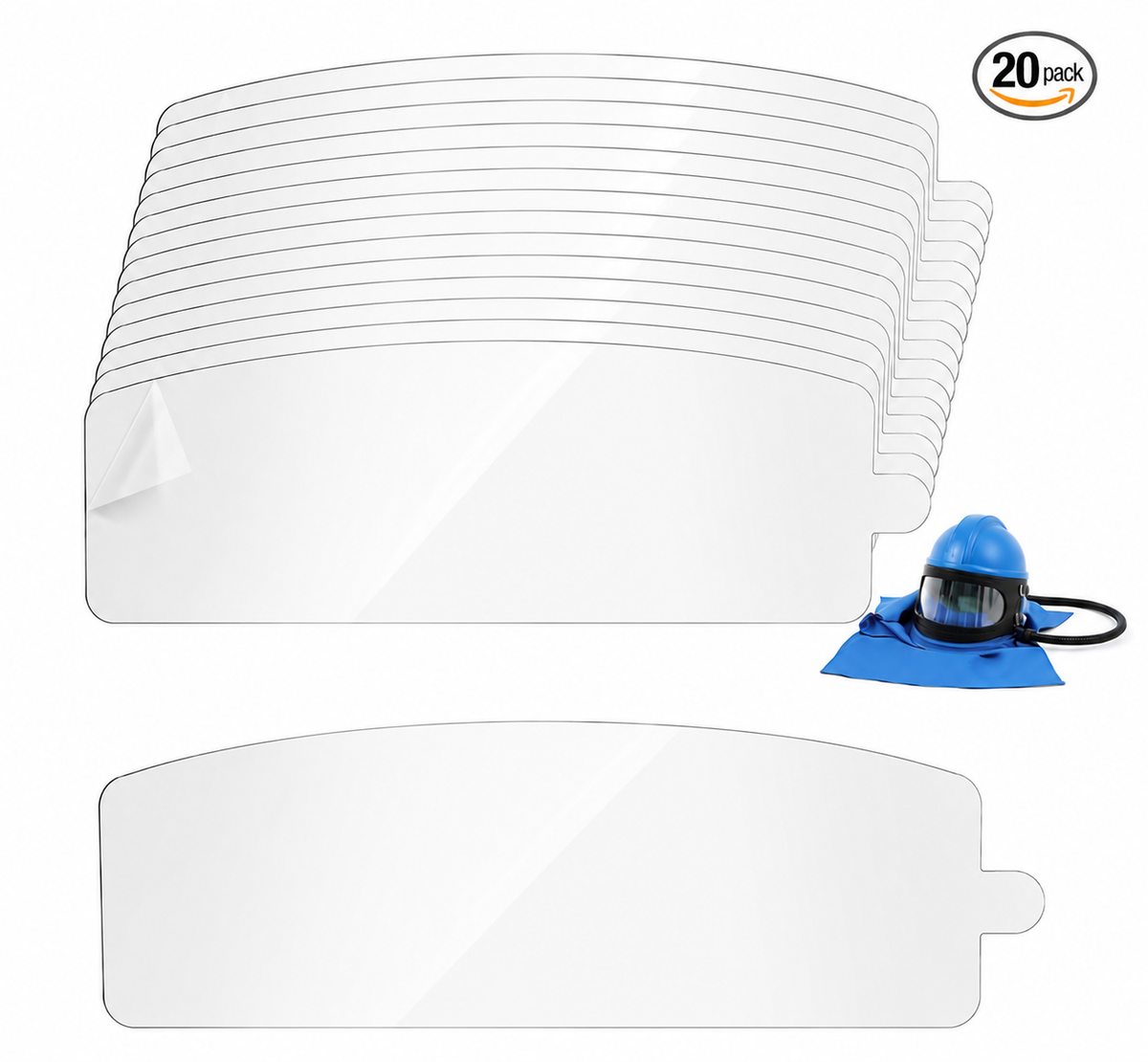
Look for a helmet with a clear viewing area and a practical lens system. Replaceable outer lenses are particularly useful because abrasive blasting can gradually scratch or wear the viewing surface.
A multi-layer lens system can also provide additional protection for the main viewing window while making routine lens replacement easier.
3. Anti-Fog Performance
Condensation and fogging can quickly reduce visibility. A helmet designed with an anti-fog viewing system or appropriate airflow can help maintain a clearer field of vision.
This is especially important when working for extended periods or in changing temperature conditions.
4. Head, Face, and Neck Coverage
A good sandblasting helmet should provide more than simple eye protection. Consider the overall coverage around the head, face, neck, and shoulders.
A fully enclosed hood-style design can provide broader coverage and help reduce direct exposure to airborne dust and abrasive particles.
5. Material and Durability
The helmet shell should be made from a durable material suitable for demanding working environments. Materials such as heavy-duty ABS engineering plastic can provide a practical combination of strength and relatively low weight.
The helmet should also be designed for repeated use, especially in professional blasting environments.
6. Comfort and Fit
Sandblasting jobs can last for hours, so comfort matters. Consider helmet weight, neck seal design, internal space, airflow, and how easily the helmet can be put on and removed.
A flexible neck or shoulder seal can help improve the fit while reducing discomfort during extended use.
Sandblasting Helmet Comparison
| Feature | Basic Blasting Hood | Standard Protective Helmet | Air-Fed Sandblasting Helmet |
|---|---|---|---|
| Head Protection | Basic | Good | Good |
| Face Coverage | Basic | Good | Excellent |
| Air Supply | Usually No | Model Dependent | Yes |
| Lens Protection | Basic | Replaceable Options | Multi-Layer Options |
| Visibility | Standard | Good | Good to Excellent |
| Long-Term Comfort | Moderate | Moderate | Better for Extended Use |
| Suitable For | Light Tasks | General Blasting | Professional / Extended Blasting |
The best choice depends on your working environment, blasting duration, equipment setup, and required level of protection.
Buying Guide: How to Choose the Right Helmet
Before purchasing a sandblasting helmet, ask yourself these questions:
What type of blasting do I perform?
For occasional light-duty work, a basic protective hood may be sufficient. For frequent professional blasting, consider a more robust helmet with better coverage and replaceable lenses.
How long will I wear the helmet?
If blasting sessions regularly last for extended periods, prioritize airflow, comfort, visibility, and weight.
Do I need supplied air?
If your blasting application requires an air-fed helmet, make sure the helmet and air-supply components are properly matched and used according to the manufacturer's instructions.
How often will I replace lenses?
If you blast frequently, choose a helmet with replaceable outer lenses. This can make maintenance easier and help keep visibility clear.
What level of coverage do I need?
For demanding blasting environments, look for a design that covers the head, face, neck, and shoulders rather than focusing only on eye protection.
Conclusion
Choosing the right sandblasting helmet is about more than finding a helmet that fits. Air supply, lens protection, visibility, coverage, durability, and comfort all affect the blasting experience. A well-designed helmet can help operators work more comfortably while providing appropriate protection for demanding abrasive blasting environments.
For professional users, investing in a durable air-fed sandblasting helmet with replaceable
Explore HOLDWIN Sandblasting Tools
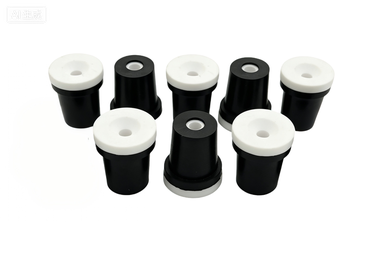
Looking for reliable equipment for your next blasting project? Explore HOLDWIN sandblasting helmets, guns, gloves, nozzles, hoses, and other blasting accessories to build a complete blasting setup for your workshop or job site.

Leave a comment
This site is protected by hCaptcha and the hCaptcha Privacy Policy and Terms of Service apply.