

Introduction
Sandblasting cabinet gloves are the core safety barrier for every blasting operation. Daily high-speed abrasive impact, friction and aging will gradually damage glove performance. Delayed replacement leads to dust leaks, hand injuries and poor blasting results. This guide covers clear replacement signs, professional standards and practical solutions for all users.
Main Problem: Common Pain Points of Worn Gloves
Most operators ignore minor glove wear until safety accidents or operational failures occur. Old sandblasting gloves bring three core troubles. First, hidden safety hazards: tiny pinholes and cracks allow high-speed abrasives to penetrate and hurt hands. Second, reduced work efficiency: hardened and loose gloves affect operation flexibility and blasting precision. Third, workshop pollution: damaged gloves cause dust leakage, breaking cabinet airtightness and messing up the working environment. Many users waste cost on frequent minor repairs instead of timely replacement.
Technical Explanation: Why Blasting Gloves Need Timely Replacement
Professional sandblasting cabinet gloves are made of thickened wear-resistant rubber with layered protection, designed to resist abrasive impact and high-pressure friction. With continuous use, the rubber material will suffer physical aging and mechanical loss. Surface thinning, fiber delamination and micro-cracks will appear gradually. UV exposure, dry air and residual blasting media will accelerate aging, making gloves lose elasticity and tightness. Once the protective structure is damaged, gloves can no longer block abrasives and seal dust, completely losing safety protection value.
Replacement Standard Comparison Table
|
Glove Condition
|
Judgment Standard
|
Processing Suggestion
|
|---|---|---|
|
Slight Wear
|
Minor surface scratches, intact overall structure
|
Regular inspection, continue to use
|
|
Moderate Aging
|
Hardened rubber, reduced elasticity, no damage
|
Prepare replacement, shorten inspection cycle
|
|
Severe Damage
|
Pinholes, cracks, dust leakage, loose fit
|
Replace immediately
|
Buying Guide & Practical Replacement Solution
Follow two core principles for glove replacement: replace immediately once damaged, and update regularly for aging gloves. For daily light use, replace gloves every 3–6 months; for high-frequency industrial use, replace every 1–2 months. Prioritize thickened wear-resistant, fully sealed sandblasting cabinet gloves with flexible fitting design. Avoid thin and inferior gloves that wear fast. Choose reliable durable options to cut long-term replacement costs and ensure stable operation.
Conclusion
Timely replacement of sandblasting cabinet gloves is key to operational safety and efficient blasting work. Don’t overlook subtle wear signs. Regular inspection and proactive replacement eliminate safety risks, improve working efficiency and reduce unnecessary losses. Standardized glove maintenance and replacement are essential for professional sandblasting workshops.
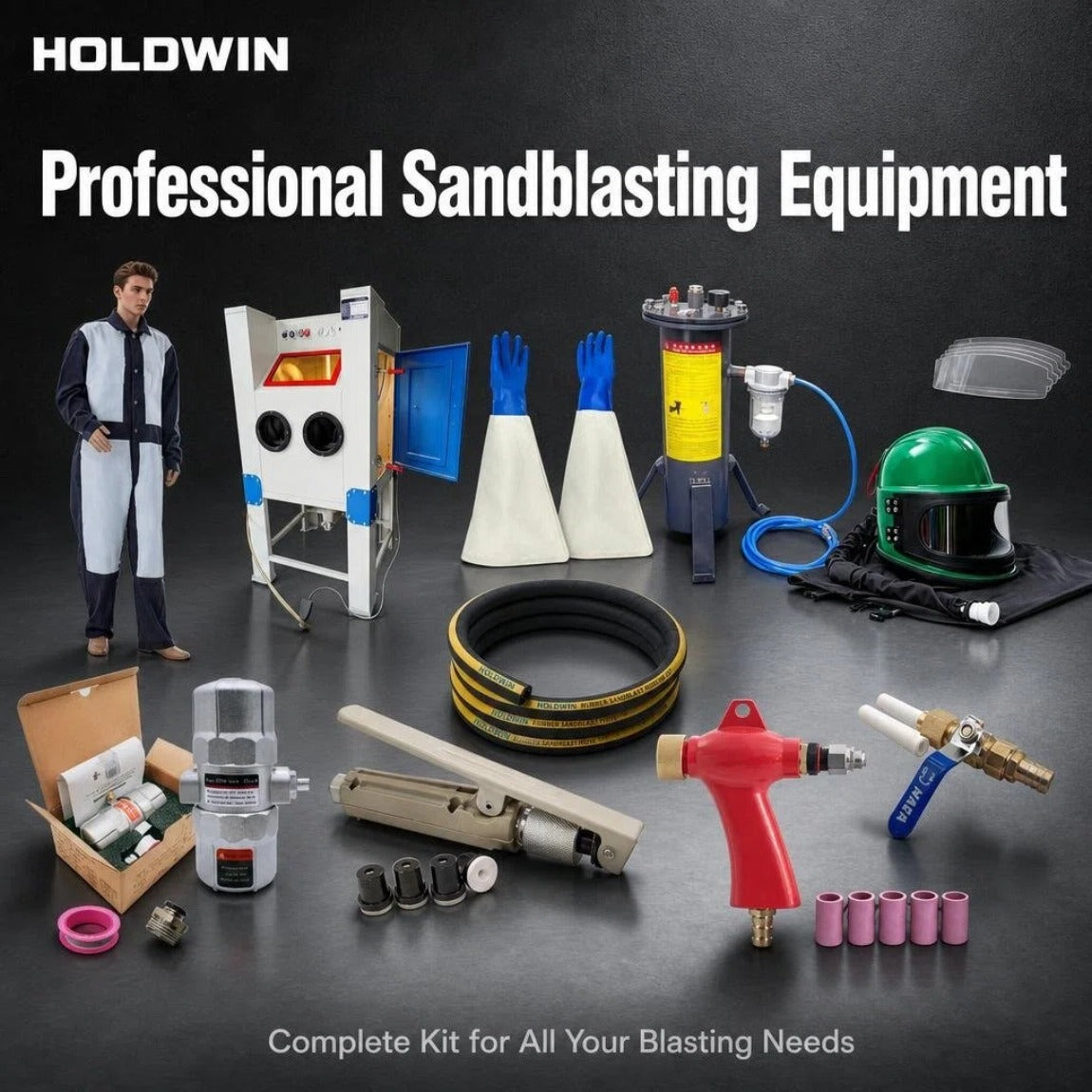
Need durable, high-sealing sandblasting cabinet gloves for long-term heavy-duty use? Explore HOLDWIN Sandblasting Tools for premium safety blasting accessories, designed for maximum protection and lasting performance!

Leave a comment
This site is protected by hCaptcha and the hCaptcha Privacy Policy and Terms of Service apply.