
Introduction
A fogged sandblasting helmet lens can quickly turn a productive job into a frustrating one. When condensation builds up on the inside of the lens, visibility becomes blurry, making it harder to see the blasting surface and work accurately. For operators, lens fogging is more than an inconvenience—it can interrupt work and reduce efficiency. Understanding why your sandblasting helmet lens fogs up is the first step toward solving the problem. In most cases, moisture, temperature differences, insufficient airflow, or poor ventilation are the main causes.
Main Problem: Why Is My Sandblasting Helmet Lens Fogging Up?
If your sandblasting helmet lens repeatedly fogs during operation, several factors may be responsible:
-
Moisture in the supplied air: Compressed air can contain water vapor, especially when the compressor or air line is not properly filtered.
-
Insufficient airflow: If fresh air is not flowing properly through the helmet, warm and humid air can remain around the operator's face.
-
Temperature differences: Warm air from your breathing can meet a cooler lens surface, creating condensation.
-
Blocked or restricted air passages: A dirty filter, kinked air hose, or restricted air inlet can reduce ventilation.
-
Poor lens condition: Scratched, dirty, or improperly installed lenses can make visibility worse and may contribute to condensation problems.
-
High humidity: Hot and humid working environments naturally increase the amount of moisture inside the helmet.
Technical Explanation: How Does Lens Fogging Happen?
Lens fogging is essentially condensation.
When warm, humid air comes into contact with a cooler helmet lens, the moisture in the air can change from vapor into tiny water droplets on the lens surface. This creates the familiar cloudy appearance.
A supplied-air sandblasting helmet is designed to provide a continuous flow of filtered breathing air. This airflow helps move warm and humid air away from the operator's face and reduces the chance of condensation forming.
However, airflow alone may not solve the problem if the compressed air contains excessive moisture. Moisture can enter the helmet through the air supply system and increase humidity inside the breathing area.
This is why the air filtration system, airflow, air hose, compressor, and helmet ventilation design all play an important role in maintaining clear visibility.
Common Causes and Solutions
| Cause | What Happens | Recommended Solution |
|---|---|---|
| Moist compressed air | Humidity increases inside the helmet | Use suitable air filtration and moisture separation |
| Low airflow | Humid air remains inside the helmet | Check air supply, hose, and regulator |
| Large temperature difference | Warm air condenses on the cool lens | Improve ventilation and airflow |
| Dirty filter | Airflow may be restricted | Inspect and replace the filter when necessary |
| Blocked air passage | Fresh air cannot circulate properly | Check the air inlet and hose |
| Dirty or damaged lens | Visibility becomes poor | Clean or replace the lens |
| High humidity environment | More moisture is available for condensation | Improve air drying and ventilation |
Buying Guide / Solution
When choosing a sandblasting helmet, don't focus only on the outer shell or price. Air management and visibility are equally important.
Look for a helmet with:
1. Reliable Airflow
A continuous supply of clean air helps remove warm, humid air from inside the helmet and can significantly reduce fogging.
2. Effective Air Filtration
Compressed air should be properly filtered before entering the breathing zone. A suitable filtration system can help reduce moisture, oil, dust, and other contaminants.
3. Anti-Fog Lens Design
An anti-fog coating or properly designed lens system can help maintain clearer visibility during long blasting operations.
4. Replaceable Lenses
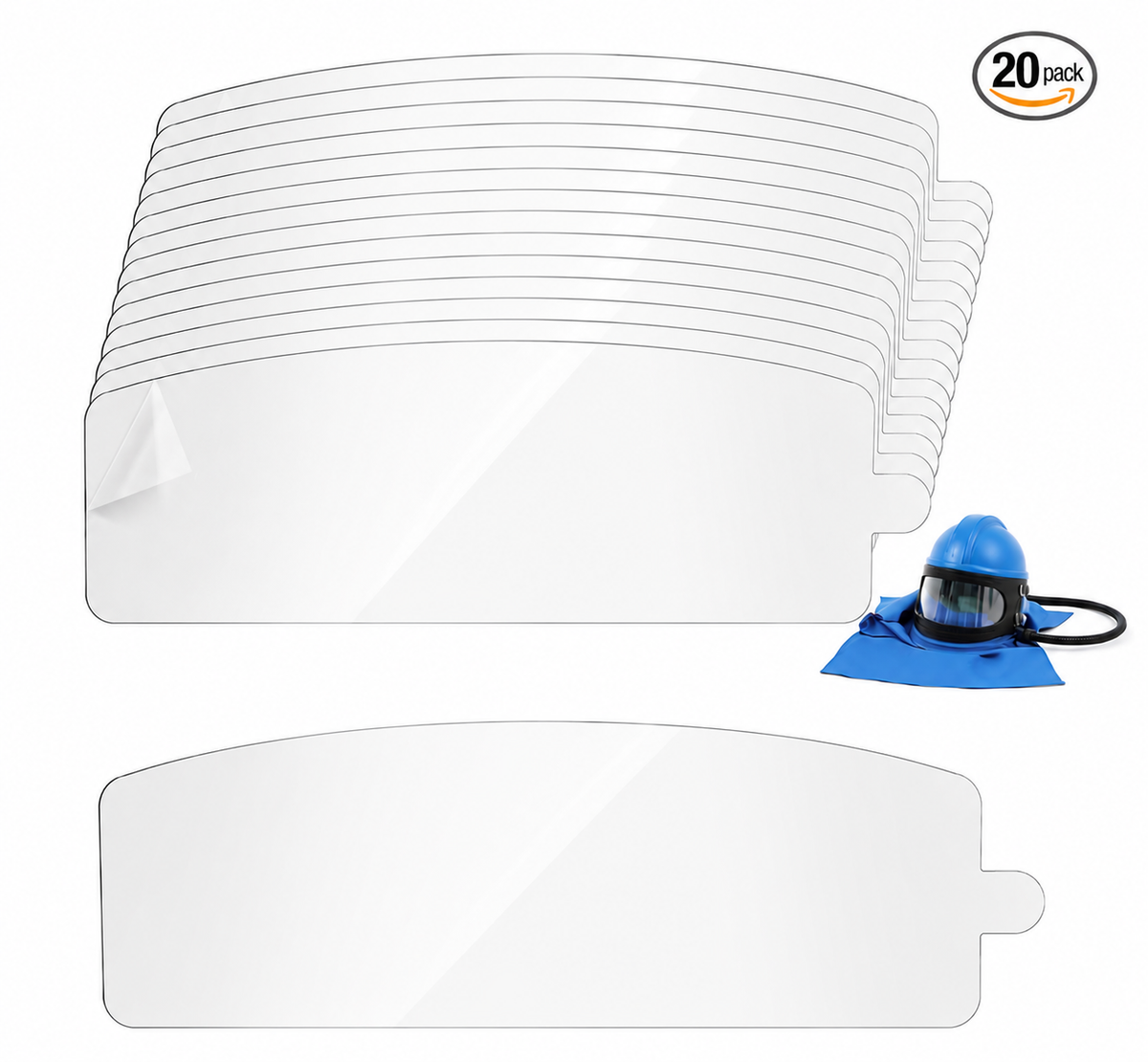
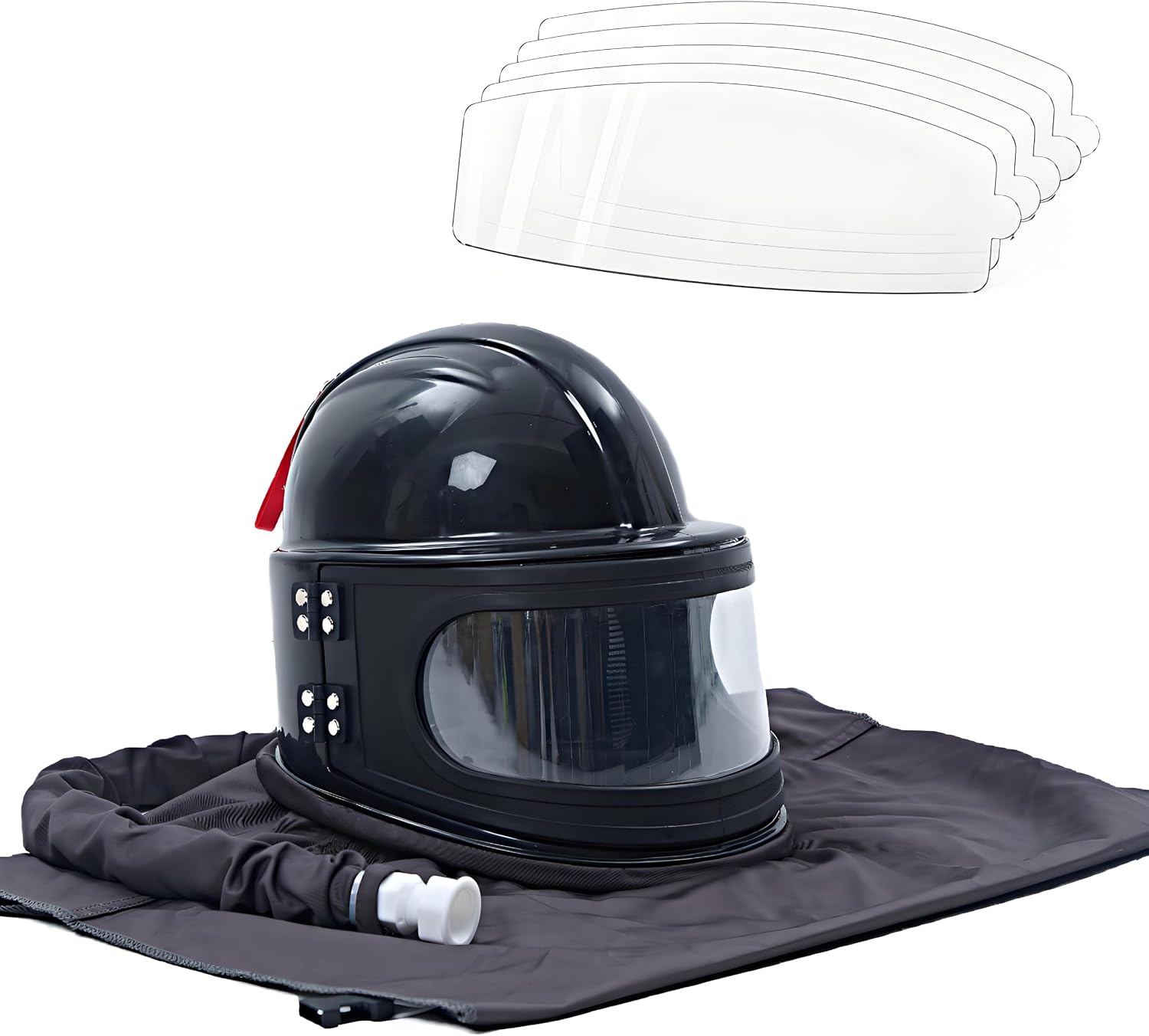
Sandblasting environments can quickly wear or scratch lenses. Replaceable outer lenses make maintenance easier and help maintain good visibility.
5. Air Temperature Regulation
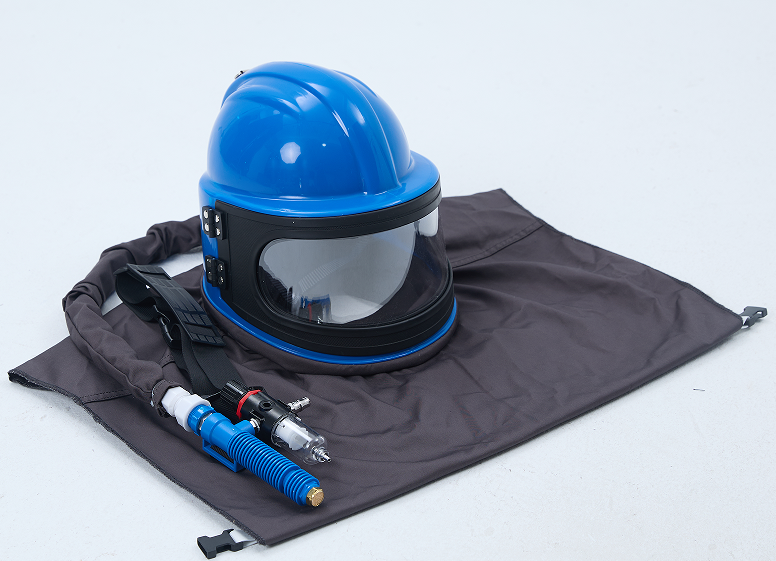
In demanding environments, an air temperature regulator can help provide more comfortable supplied air and improve the operator's working experience.
Conclusion
A fogging sandblasting helmet lens is usually caused by moisture, insufficient airflow, temperature differences, or inadequate air filtration. Before replacing the entire helmet, check the compressed-air system, filters, hoses, airflow, and lens condition.
For professional blasting operations, maintaining a clean and properly ventilated air supply is essential for both visibility and operator comfort. A well-designed sandblasting helmet with effective airflow, filtration, and lens protection can help keep your vision clearer throughout the job.
Explore HOLDWIN Sandblasting Tools
From sandblasting helmets and protective gloves to blasting guns, nozzles, hoses, and other essential accessories, HOLDWIN provides practical solutions for surface preparation and abrasive blasting applications.

Leave a comment
This site is protected by hCaptcha and the hCaptcha Privacy Policy and Terms of Service apply.