
Introduction
Choosing the right sandblasting system can make a huge difference in your project's speed, finish quality, and operating cost. Two of the most common options are pressure sandblasters and suction sandblasters. While both remove rust, paint, coatings, and surface contaminants, they work in different ways and are designed for different jobs.
If you're wondering which one is the better investment, this guide will explain the key differences, advantages, and ideal applications so you can confidently choose the right sandblaster for your needs.
Main Problem
Many buyers focus only on the price of a sandblaster without considering how the blasting system affects productivity.
Choosing the wrong type can lead to:
- Slow cleaning speeds
- High abrasive consumption
- Inconsistent blasting results
- Higher operating costs
- Equipment that doesn't fit your workload
Understanding how each system works helps you avoid expensive mistakes and maximize efficiency.
Technical Explanation
What Is a Pressure Sandblaster?
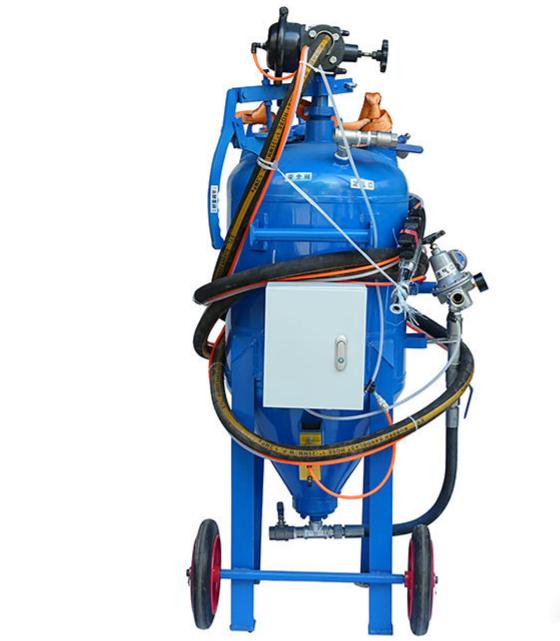
A pressure sandblaster stores abrasive media inside a sealed pressure vessel. Compressed air pressurizes the tank and forces both air and abrasive through the blasting hose at high speed.
Because the abrasive is delivered under pressure, the blasting stream is stronger, more consistent, and significantly faster.
Best for:
- Heavy rust removal
- Thick paint stripping
- Industrial maintenance
- Steel fabrication
- Large surface preparation
- High-volume production
What Is a Suction Sandblaster?
A suction (or siphon) sandblaster works differently. Compressed air flows through the gun, creating a vacuum that draws abrasive media from an open container into the airflow.
This design is simple, lightweight, and easy to maintain, making it popular for smaller projects.
Best for:
- Light rust removal
- Glass etching
- Small automotive parts
- DIY projects
- Hobby work
- Spot repairs
Pressure vs. Suction Sandblaster
| Feature | Pressure Sandblaster | Suction Sandblaster |
|---|---|---|
| Blasting Speed | ★★★★★ Fast | ★★★ Moderate |
| Cleaning Efficiency | Excellent | Good |
| Abrasive Delivery | Pressurized | Vacuum-fed |
| Air Consumption | Higher | Lower |
| Initial Cost | Higher | Lower |
| Maintenance | Moderate | Easy |
| Best for Large Jobs | Yes | No |
| Precision Work | Good | Excellent |
| Productivity | Very High | Medium |
Performance
Pressure systems can clean surfaces up to two to four times faster than comparable suction systems. For contractors or production environments, this time savings quickly offsets the higher equipment cost.
Abrasive Efficiency
Although pressure blasters use more compressed air, they often complete jobs faster, reducing overall labor time. Suction systems may require additional passes to achieve the same finish.
Ease of Use
Suction sandblasters are easier for beginners. They require fewer components, are simpler to set up, and are generally easier to maintain.
Pressure systems involve more valves, hoses, and pressure controls but deliver professional-level performance.
Buying Guide
Choose a Pressure Sandblaster If You:
- Regularly remove heavy rust or thick coatings
- Blast large metal surfaces
- Operate a repair shop or fabrication business
- Need maximum productivity
- Want faster project completion
Choose a Suction Sandblaster If You:
- Work on small projects
- Need a lower initial investment
- Perform occasional maintenance
- Restore automotive parts
- Prefer simple equipment with minimal maintenance
Don't Forget the Accessories
Regardless of which blasting system you choose, overall performance also depends on the quality of your accessories.
For the best results, consider:
- Durable sandblasting guns
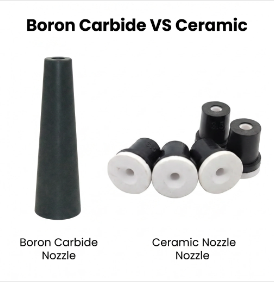
- Wear-resistant ceramic or boron carbide nozzles
- High-quality blasting hoses
- Reliable moisture separators
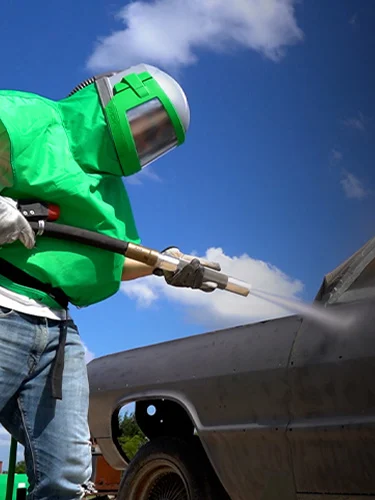
- Proper safety equipment, including helmets and gloves
Using quality accessories improves blasting consistency, reduces downtime, and extends equipment life.
Conclusion
There isn't a single "best" sandblaster—only the one that's best for your application.
If speed, power, and productivity are your priorities, a pressure sandblaster is the better choice.
If you're handling smaller jobs, occasional maintenance, or DIY projects, a suction sandblaster offers excellent value with a simpler design and lower upfront cost.
By matching your equipment to your workload, you'll achieve better results while saving time and operating costs.
Explore HOLDWIN Sandblasting Tools
Whether you're upgrading your workshop or starting your first blasting project, HOLDWIN offers dependable sandblasting equipment designed for performance and durability.
Explore our collection of:
- Pressure Sandblaster Machines
- Sandblasting Guns
- Ceramic & Boron Carbide Nozzles
- Sandblasting Hoses
- Safety Helmets & Gloves
Find the right tools to complete every job faster, safer, and more efficiently.

Leave a comment
This site is protected by hCaptcha and the hCaptcha Privacy Policy and Terms of Service apply.